Finding ready-made digital products to sell can save an enormous amount of time, but not all PLR libraries deliver the same level of quality. Over the past few months, I tested IDPLR by browsing its library, downloading several products, and reviewing what you actually get inside.
This updated IDPLR review breaks down how the platform works, what kind of products it offers, how much it costs, and—most importantly—whether the quality is good enough to use in real projects. I’ll also share the biggest pros and cons I discovered while testing the platform, along with situations where IDPLR makes sense—and where it doesn’t.
Important Note:
While IDPLR is one of the largest PLR libraries available, several newer platforms now offer more modern and higher-quality digital products.
If you’re looking for stronger alternatives, see my complete best PLR websites list here:
What Is IDPLR?
IDPLR is a long-running digital product membership site where you can download ready-made content and use it according to the license attached to each product. The platform says it has been around since 2008, and it presents itself as one of the biggest players in the PLR space, with 400,000+ members and a very large product library.
At a basic level, IDPLR gives you access to a huge collection of digital products you can browse, download, and potentially reuse for business purposes. According to the platform, the membership includes 12,000+ product packages, which expand into 45,000+ individual files and assets when everything inside those bundles is counted separately.
That scale is really the main point.
IDPLR is not trying to be a small, curated PLR shop where every product feels polished and premium. It’s much closer to a large digital product warehouse. Inside the library, you’ll find all kinds of materials across different niches and formats, including:
- eBooks and reports
- video courses
- software and scripts
- templates and graphics
- WordPress tools
- audio files
- turnkey websites
- articles and marketing materials
That variety is part of what makes the platform appealing. You’re not limited to one type of product, and you’re not boxed into one niche either.
Another important thing to understand is that IDPLR is not a pure PLR-only platform. The library includes a mix of license types, such as Private Label Rights (PLR), Master Resell Rights (MRR), and Resell Rights (RR). So while some products can be edited and rebranded, others come with tighter limitations.
That’s why the best way to think about IDPLR is this:
It’s a massive library of resellable digital products built around quantity, variety, and access, not around tight curation or premium consistency.
How IDPLR Works (Step-by-Step)

Once you understand the basic setup, IDPLR is pretty simple to use.
The platform works on a membership model. You create an account, browse the library, preview products, download what you want, and then use those files based on the rights attached to each one.
Here’s what that process looks like in practice.
Step 1 — Create a Free Account
Everything starts with a free account.
Signing up is quick, and once you’re inside, you can browse the platform, explore the categories, and get access to a limited selection of free PLR products. This is useful because it lets you see how the site works before paying for a full membership.
For someone new to PLR, that free account acts as a low-risk way to test the platform without committing upfront.
Step 2 — Browse Categories and Search Products
After logging in, you can start exploring the library.
Products are organized by niche, format, and license type, so you can either browse manually or search for something specific. Depending on what you’re looking for, you might sort by:
- product type
- niche
- newest releases
- license type
This is usually where most of the time goes. Because the library is so large, users often need to dig around a bit before finding products that actually match their goals.
Step 3 — Preview Products Before Downloading
Before you download anything, IDPLR lets you preview certain parts of the product.
This can include things like the file structure, the files inside the package, and parts of the content itself. It’s a useful feature because it gives you a rough sense of what you’re getting before committing to a download.
That said, it works best as a quick filter, not as a full quality check. In most cases, you still need to open the files yourself to judge whether the product is actually worth using.
Step 4 — Download the Files
Once you find something you want, you download it to your computer.
Most products come as ZIP folders, and inside those folders you’ll usually find multiple files connected to the same product. Depending on what you downloaded, that may include:
- PDF files
- editable Word documents
- graphics or covers
- sales materials
- license files
After extracting the folder, you can inspect the contents properly and decide what parts are worth keeping, editing, or combining with something else.
Step 5 — Use or Resell the Products
The final step is turning those downloaded files into something useful.
Some people use IDPLR products as lead magnets. Others turn them into bundles, bonuses, or simple digital offers. In many cases, users combine multiple assets together to create a larger package instead of relying on a single file.
If you’re planning to build more structured offers from downloaded materials, you may also want to look at PLR & MRR course guide, where I cover ready-made course-style products in more detail.
The most important thing at this stage is simple:
Always check the license first.
That’s what determines whether you can edit the content, resell it, bundle it, or just use it privately.
IDPLR Product Library Breakdown
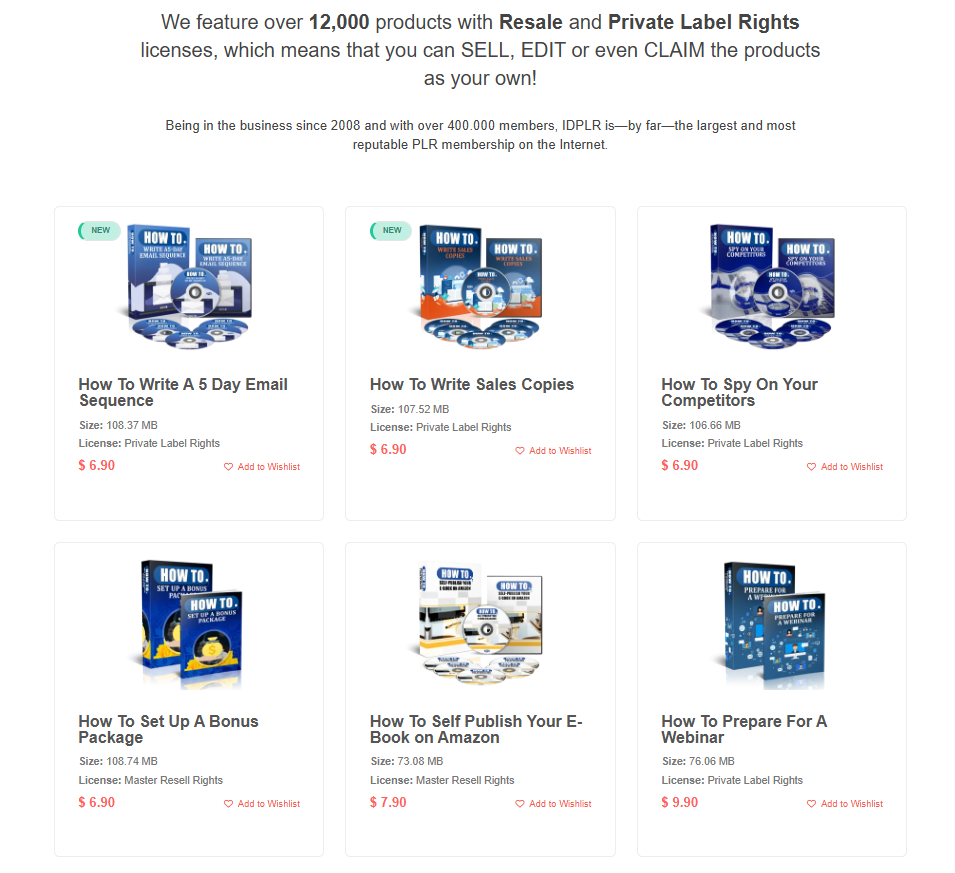
One of the main reasons people consider joining IDPLR is the sheer size of its product library. The platform positions itself as one of the largest digital product repositories available, offering access to thousands of downloadable assets across multiple formats and niches.
Based on the available data, the platform currently includes more than 12,000+ packages, which expand into 45,000+ individual products when all included materials are counted separately. This large-scale structure makes IDPLR appealing to users who want access to many different types of digital content in one place.
Here’s a closer look at how the library is structured and what types of materials you can expect to find.
IDPLR Niches and Categories Available
Another useful thing to know is that IDPLR doesn’t just organize products by format — it also lets users browse by niche.
That matters because most people don’t join a PLR site looking for “random digital products.” They usually want something specific, whether that’s business content, health materials, relationship products, or self-help resources.
IDPLR covers a fairly wide range of categories, including:
- Business & Making Money
- Marketing & Promotion
- Social Media & Networks
- Health & Diseases
- Psychology & Self Help
- Parenting & Family
- Dating & Relationships
- Pets & Other Animals
- Lifestyle & Traveling
- Beauty & Fashion
- Diet & Cooking
- Fitness & Training
- Web & Development
- Computers & Technology
- Hobbies & Free Time
- Sports & Outdoors
- Weight Loss & Metabolism
- Tutorials & Trainings
- Renewable Energy & Eco Friendly
This is one of the platform’s stronger structural advantages. Instead of being locked into one narrow niche, users can explore different categories and test multiple ideas from the same membership.
That said, broad niche coverage doesn’t automatically mean every category is equally strong. Some niches appear more active and practical than others, while certain sections may contain older materials that need more updating before they feel useful in a modern project.
So yes, the niche range is broad — and the ability to browse by niche definitely makes the platform easier to navigate when you already know what kind of content you’re looking for.
eBooks & Reports
The largest section inside IDPLR is the eBook and report category. According to the available data, the platform contains approximately 6300+ eBooks, covering a wide range of niches.
These typically include:
- short instructional guides
- niche-specific reports
- educational mini-courses
- marketing tutorials
- self-help materials
- business-related content
Most eBooks are delivered in both PDF and editable Word document formats, which allows users to modify content if the license permits editing.
This section is often used by people who want to create lead magnets, bundle products together, or build digital offers quickly without starting from scratch. If you’re exploring ways to reuse written materials for resale or packaging, you can also review examples inside resell rights eBooks article, where different types of resellable written products are explained in more detail.
Because this category is so large, quality can vary significantly from one product to another. Some materials may feel useful and actionable, while others may appear generic or dated depending on when they were originally created.
Video Courses & Tutorials
Another major component of the library includes 1700+ video products, which are typically delivered as tutorial-style training materials.
These video-based products may include:
- step-by-step training courses
- niche tutorials
- marketing education content
- software walkthroughs
- productivity lessons
Video materials can be useful for people building structured digital training programs or content bundles. In many cases, these packages include supporting materials such as worksheets, slides, or written summaries.
Like the eBook section, video quality varies depending on the age of the content and the production style used.
Software & Tools
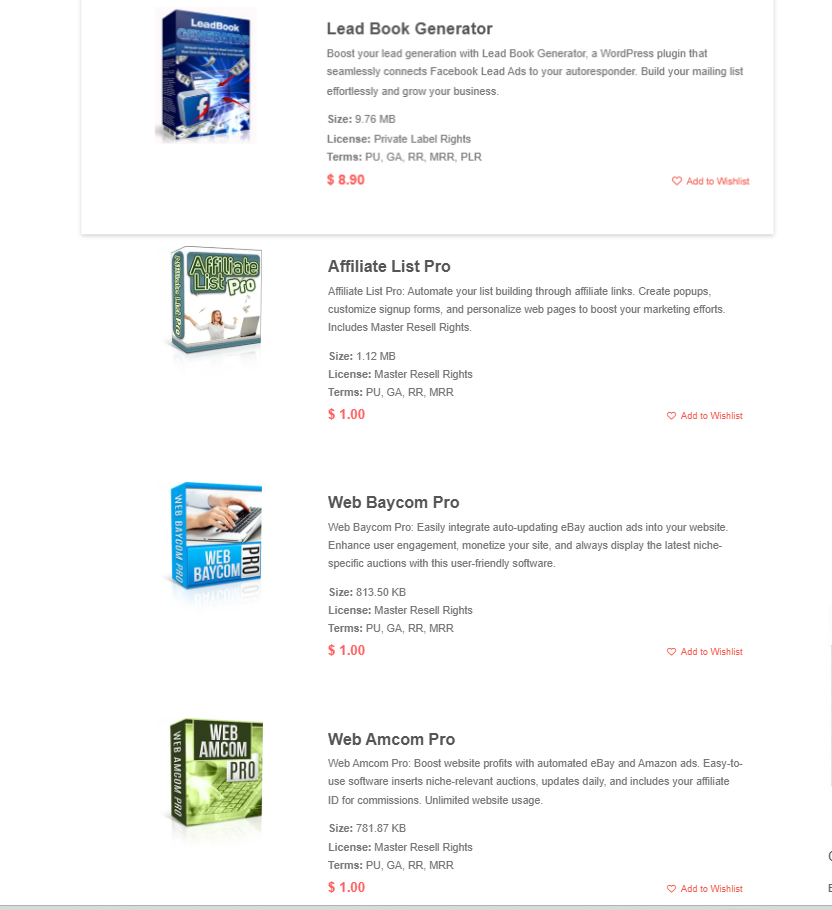
The software section includes approximately 1300+ software products, covering tools designed for different digital tasks.
These products may include:
- WordPress plugins
- automation scripts
- productivity tools
- marketing utilities
- desktop software applications
Software-based products are often included as part of larger digital bundles or used as bonus materials in marketing campaigns. However, this is one area where many products feel noticeably outdated.
A significant portion of the software relies on older technologies or unsupported systems, which means many tools may have limited or no practical use in modern environments without technical fixes.
Users should always test software files carefully before distributing them, especially if the tools interact with websites or third-party platforms.
Templates & Graphics
Design-related materials make up another large portion of the IDPLR library. According to the available data, the platform includes:
- 1200+ templates
- 600+ graphic packs
- 260+ audio resources
Templates may include:
- sales page layouts
- presentation slides
- website templates
- printable materials
- marketing assets
Graphics typically include:
- eBook covers
- icons
- banners
- visual elements
- branding materials
These assets are often used to enhance the presentation of digital products or create supporting visuals for online offers.
Because design trends evolve quickly, some templates and graphics may appear outdated compared to modern design standards, while others may still be useful with minor customization.
Turnkey Websites
One of the more unique elements in the library is the inclusion of approximately 1200+ turnkey websites. These are pre-built website packages designed to be uploaded and customized.
Turnkey websites usually include:
- website files
- basic design layouts
- written content
- graphics
- setup instructions
These packages can be appealing for beginners who want a ready-made structure to build upon. However, similar to other content types, the usefulness of these sites depends on how current the design and functionality remain.
Articles Database
Perhaps one of the largest single resources inside IDPLR is its massive article library, which contains more than 200,000+ PLR articles.
These articles are typically short-form content pieces covering many different niches. They are often used for:
- blog content
- newsletter writing
- social media posting
- content repurposing
- SEO support
However, this section feels far less useful today than it might have been years ago.
With tools like ChatGPT and other AI writers now capable of generating fresh articles in seconds, spending time searching through large databases of older PLR articles often doesn’t make much sense anymore. In most cases, creating new content from scratch is simply faster and more flexible.
So while the 200,000+ article library sounds impressive, it’s unlikely to be one of the main reasons most users would join IDPLR today.

The defining characteristic of the IDPLR library is scale. The platform is built around offering a large variety of digital product types across many niches, giving users flexibility in how they assemble and repurpose materials. However, with such a large volume of content, the responsibility falls on the user to filter through the library and identify which assets are truly worth using.
IDPLR Pricing & Membership Plans
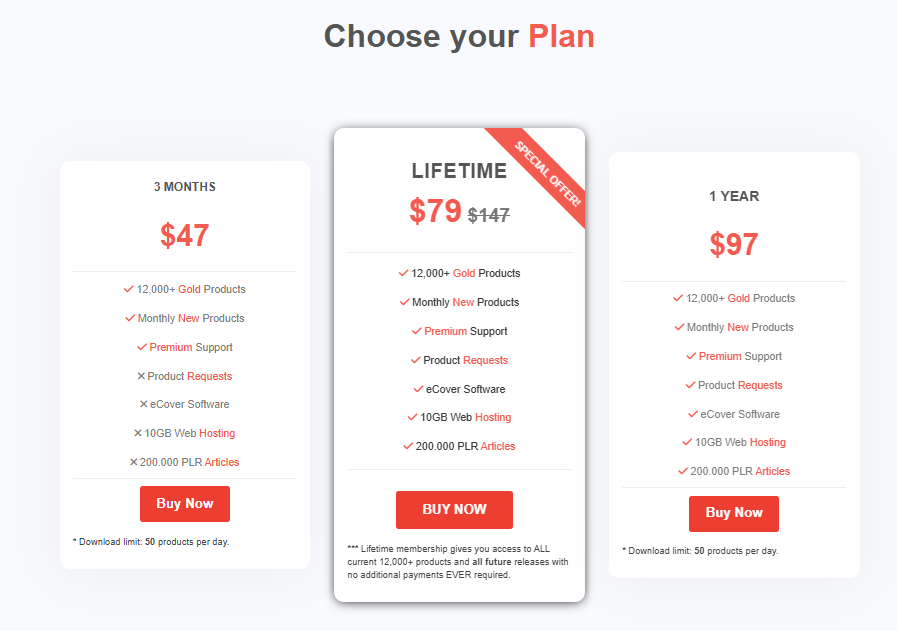
Before joining any PLR platform, it’s important to understand how pricing works and what you actually get access to. IDPLR doesn’t sell individual products the way many modern marketplaces do. Instead, it uses a membership-based model, where one payment unlocks access to a large portion of the library.
That approach makes sense if you plan to download multiple products rather than just one or two.
The platform currently offers both free and paid membership options, which makes it easier to test things before committing long term.
Free Membership
IDPLR includes a free membership option, which is useful if you want to explore the platform without spending money upfront.
With the free plan, users get access to around 200+ free products, along with the ability to browse categories, view product listings, and test how downloads work. It’s not full access to the entire library, but it gives a decent preview of how the platform operates.
There is also a small promotional offer that allows free users to download 2 GOLD products, which are normally part of the paid membership tier. That gives you a better idea of what premium content looks like inside the platform.
For beginners, this free entry point is helpful. You can test the interface, download a few files, and see whether the structure makes sense before spending anything.
Gold Membership (Paid Plans)
To unlock the full library, you’ll need to upgrade to a Gold membership.
This is where the platform becomes more useful, since paid members can browse and download content across the full catalog instead of being limited to the free section.
The main pricing options currently include:
- 3-Month Gold Membership — $47
- 1-Year Gold Membership — $97
- Gold Lifetime Access — around $79 (promotional pricing)
Once upgraded, members can download products from across multiple categories without paying separately for each item.
This pricing structure is built for volume. Instead of buying individual products one at a time, you’re paying for access to a large library that you can explore freely.
How IDPLR Pricing Compares to Buying Individual Products
One of the reasons membership-style platforms exist is simple: buying individual digital products can get expensive quickly.
On many marketplaces, a single PLR product might cost anywhere from $10 to $50, sometimes even more depending on quality and niche. With IDPLR, the idea is different. Instead of paying per product, you gain access to a large collection through one payment.
This setup tends to work best for users who:
- want access to many different product types
- plan to test multiple niches
- build bundles or bonus packages
- prefer downloading multiple resources instead of purchasing one item at a time
That said, pricing alone shouldn’t drive the decision.
Even if membership looks affordable, the real value depends on whether the products you download are actually usable. With large libraries, quality can vary, so the usefulness of the content matters just as much as the price itself.
IDPLR Licensing Explained
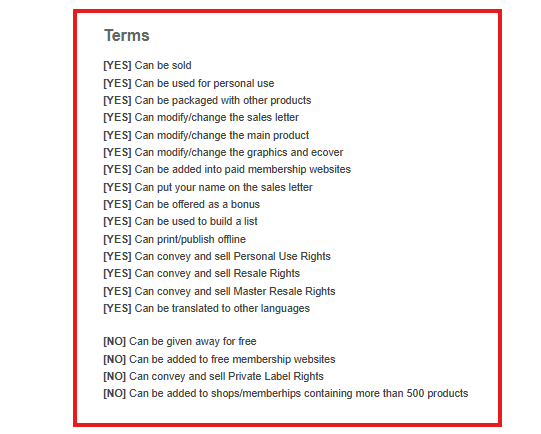
If there’s one section you should pay close attention to before using any IDPLR product, it’s licensing.
Many beginners assume that once they download a product from a PLR site, they can freely edit it, resell it, and do whatever they want. That’s not always true — especially on platforms like IDPLR that include multiple types of licenses.
Each product inside the library comes with its own rules. Before using anything commercially, you should always check the license file included with the download.
Here are the most common license types you’ll encounter inside IDPLR.
Private Label Rights (PLR)
Private Label Rights, usually called PLR, is the most flexible license type available on the platform.
When a product includes PLR rights, it typically allows you to:
- edit the content
- modify text or graphics
- add your own branding
- combine content into new products
- sell the product under your own name
This makes PLR materials extremely useful for building new products from existing content.
People commonly use PLR materials for:
- lead magnets
- digital product bundles
- training programs
- rewritten blog content
- repackaged educational materials
However, even with PLR, there may still be limits. Some licenses restrict how the product can be distributed or prevent passing PLR rights to customers. That’s why reading the actual license file is always important.
Master Resell Rights (MRR)
Master Resell Rights, or MRR, allows you to sell a product to customers who can also resell it.
With MRR products, you can usually:
- sell the product
- allow buyers to resell it
- distribute the product in its original form
However, editing permissions are often restricted. Many MRR products must be sold exactly as they are, without making significant changes to the content.
MRR materials are commonly used for:
- resale product bundles
- digital product storefronts
- packaged offers with resale value
They’re less flexible than PLR, but still useful if your goal is simple resale rather than customization.
Resell Rights (RR)
Standard Resell Rights (RR) are more limited than MRR.
With RR products, you can:
- sell the product
- keep the profits from the sale
However, customers who buy the product usually cannot resell it again, and editing permissions may be restricted depending on the license.
RR products are typically used in straightforward resale situations where redistribution is meant to stay limited.
Giveaway Rights
Some products inside the library come with Giveaway Rights, which allow you to distribute them for free.
This type of license is commonly used for:
- lead magnets
- promotional offers
- bonus downloads
- list-building campaigns
These products usually aren’t sold directly. Instead, they’re used to attract subscribers or add value to another offer.
Personal Use Rights
Another license type you’ll see occasionally is Personal Use.
Products with this license are meant for private use only. You can read or use the material yourself, but you cannot resell, share, or redistribute it.
These items are intended more for learning than for business use.
Why Licensing Matters
One of the biggest characteristics of IDPLR is that it includes mixed licenses across the same platform. That means not every product gives you the same level of control.
This leads to two important rules:
👉 Not all products are editable
👉 Always check the license before using anything commercially
Ignoring license details can lead to using products in ways that break the rules, especially when reselling or distributing content.
Once you get into the habit of checking licenses first, working with large PLR libraries becomes much safer and much easier to manage.
What Do You Actually Get After Downloading?
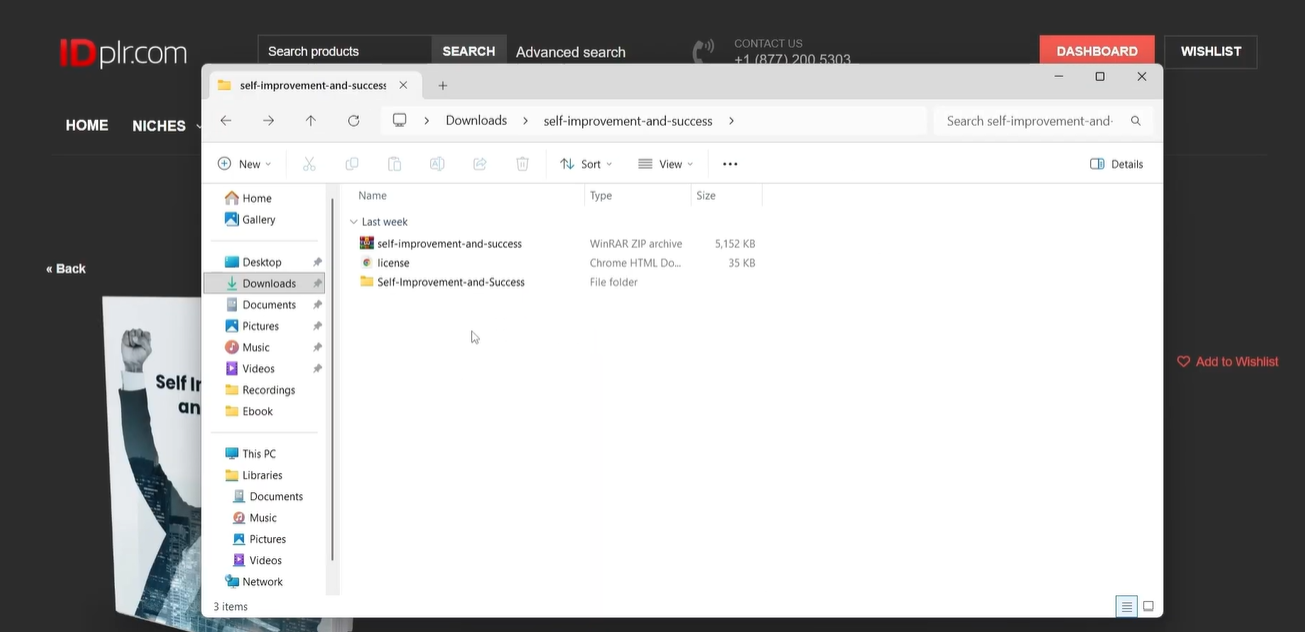
One of the biggest questions people have before joining IDPLR is what actually happens after clicking the download button. Many platforms advertise large libraries, but the real value comes from what’s inside the downloaded files and whether those materials are usable in real projects.
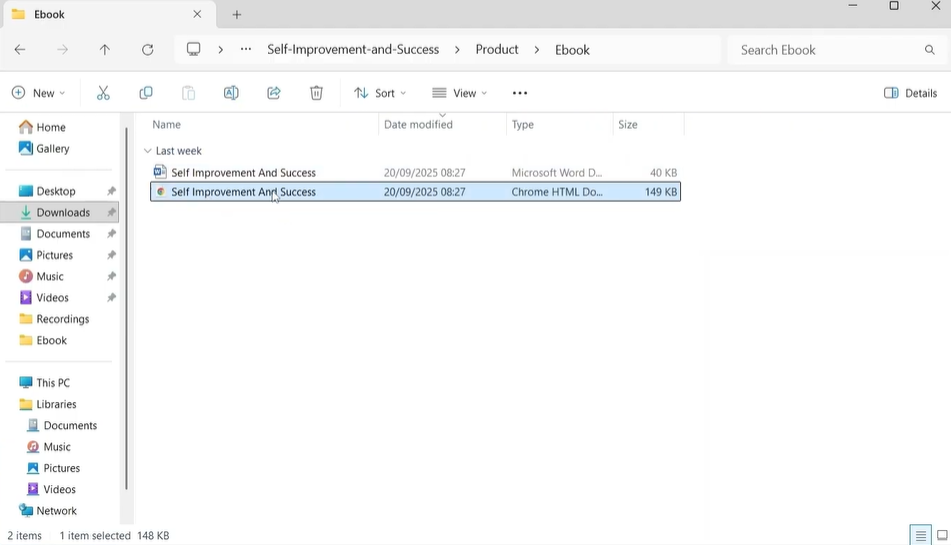
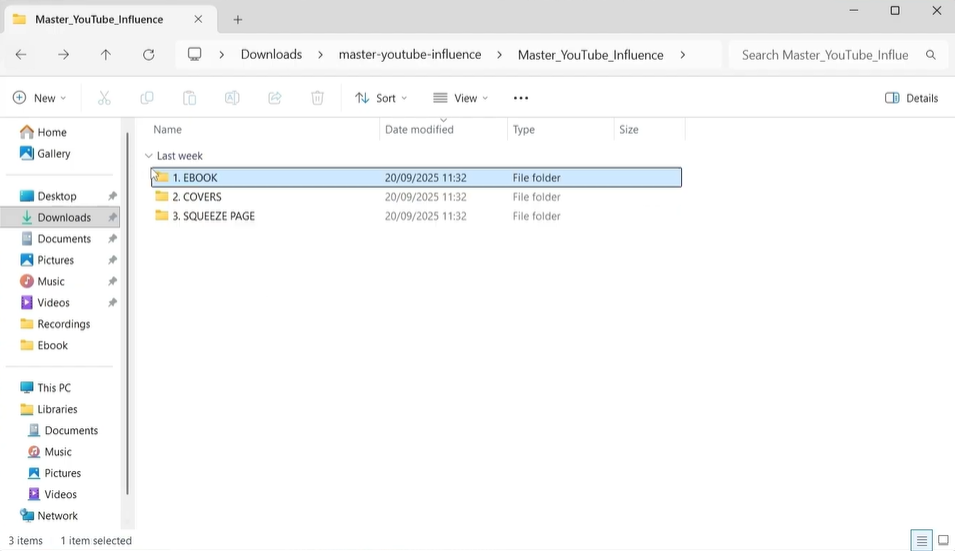
Most products on IDPLR are delivered as compressed ZIP files, which contain multiple related assets bundled together. Instead of receiving a single file, users typically get a folder structure that includes content files, supporting materials, and license documentation.
Here’s what you can usually expect to find after downloading a typical product.
Downloaded Files Usually Come in ZIP Packages
After selecting a product and clicking download, the file is saved to your computer as a ZIP folder. Once extracted, the folder often reveals several different file types connected to the same product.
You can expect to see:
- multiple files inside folder
- PDF file
- Word file
- graphics or extra materials
- license file
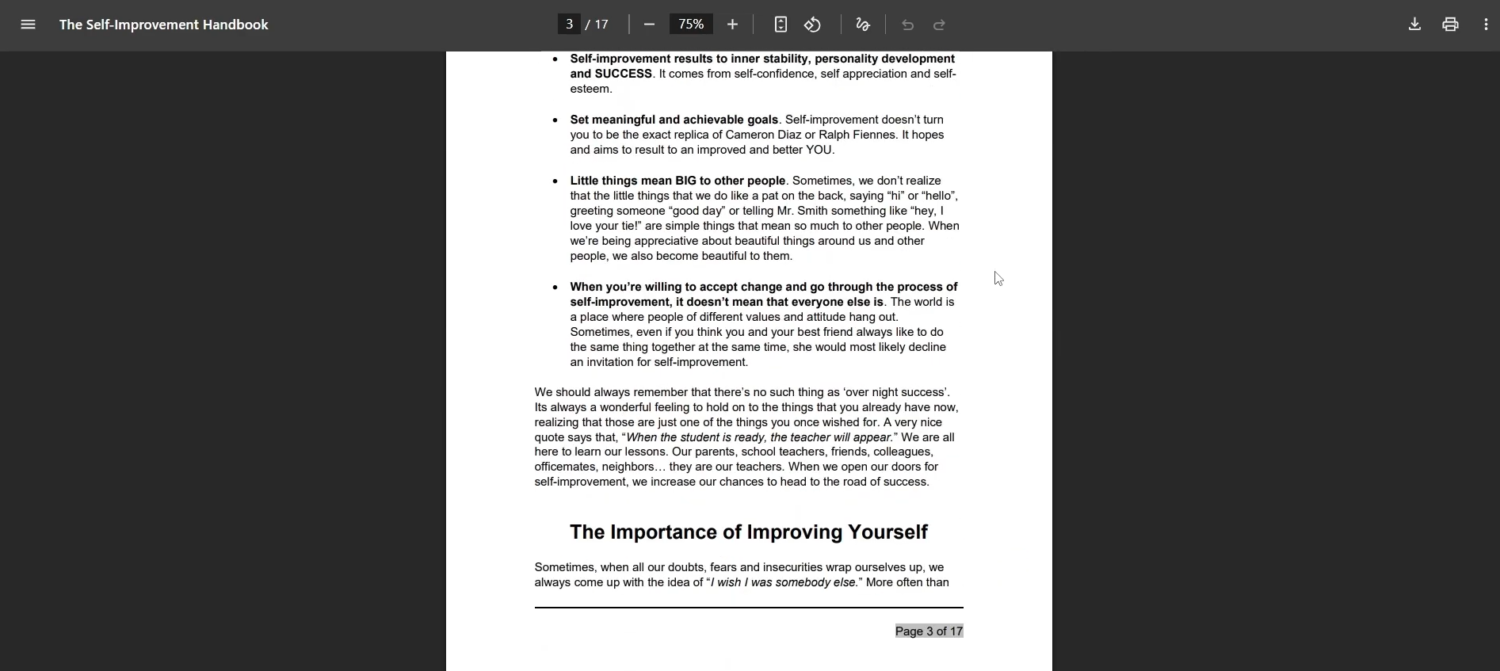
PDF Files — Ready-to-Use Content
Most IDPLR products include at least one PDF file, which represents the finished version of the content. This file is usually formatted and ready to distribute immediately, depending on the license permissions.
PDF files commonly include:
- ebooks
- guides
- reports
- short training materials
These files are often used as:
- lead magnets
- downloadable resources
- bundled digital products
- bonus materials inside offers
Many users rely on PDFs when they want a simple way to distribute content without making heavy modifications.
Word Files — Editable Versions of Content
Alongside PDF files, many products also include editable Word documents (.DOC or .DOCX). These files are particularly valuable because they allow users to modify text, adjust formatting, or combine multiple resources into a new product.
Editable Word files are often used for:
- rewriting content
- customizing branding
- updating outdated sections
- combining multiple resources into larger packages
However, editing permissions depend on the specific license attached to each product.
Graphics and Cover Files
Many products also include visual assets, such as ebook covers, graphics, and promotional images. These files are usually delivered in formats like PNG or JPG.
Graphic files may include:
- ebook covers
- banner graphics
- thumbnails
- promotional visuals
These assets help users present digital products in a more professional way without designing everything from scratch.
For users building bundled offers or structured digital products, combining written content with visual elements is often an important step.
Squeeze Pages and Sales Materials
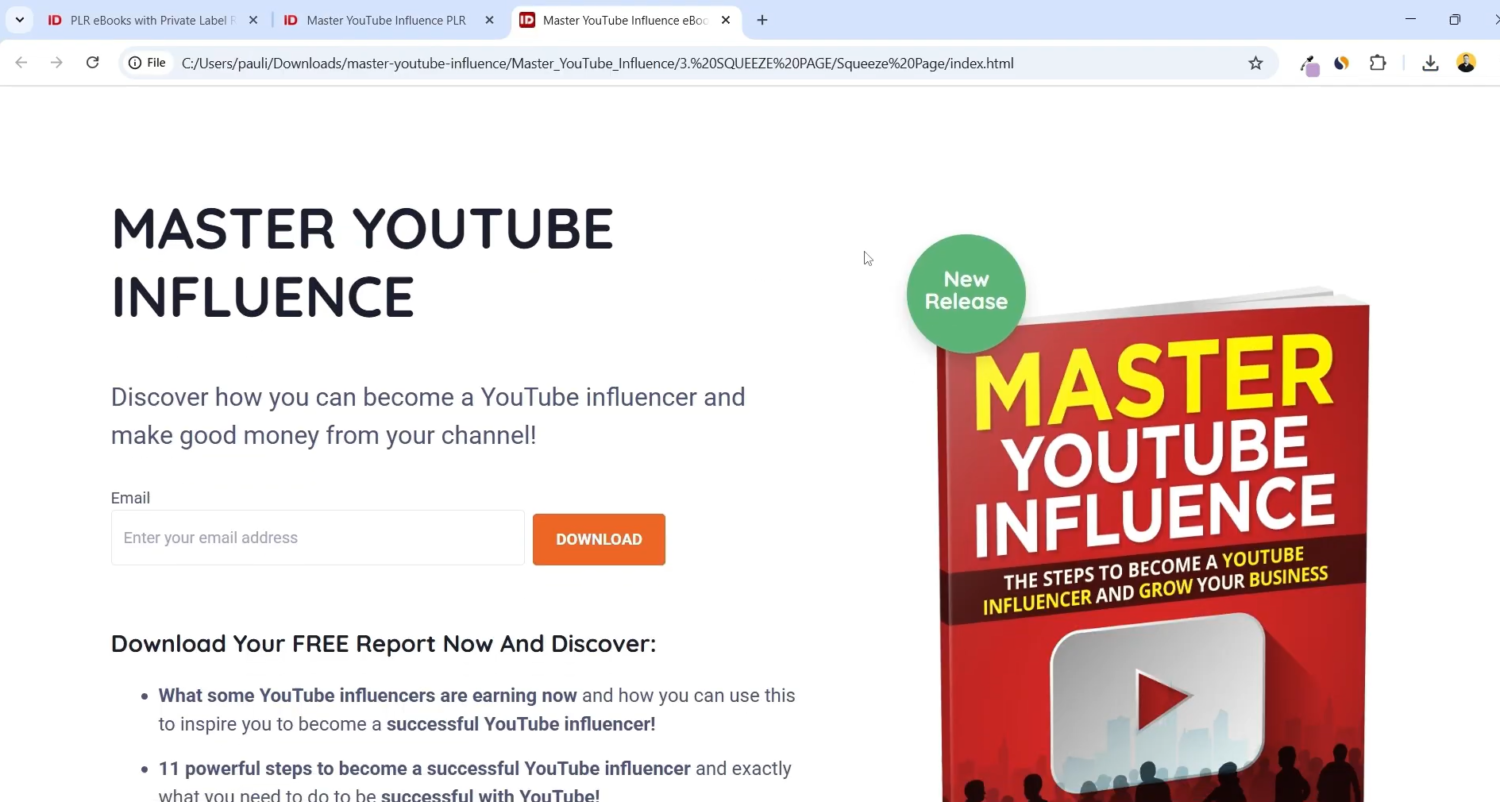
Some product packages include HTML squeeze pages or sales pages, which are designed to help collect email subscribers or promote digital products.
These pages typically include:
- headline text
- promotional copy
- email opt-in forms
- download buttons
License Files — The Important Document
Every product typically includes a license file, which explains how the product can be used. This file outlines permissions such as whether the content can be edited, resold, bundled, or given away.
License files usually specify:
- whether editing is allowed
- whether resale is permitted
- redistribution limitations
- branding permissions
This file should always be reviewed before using any downloaded material, especially when working with mixed-license platforms.
Using Downloaded Products Together (Product Stacking)
One common strategy used by experienced users is combining multiple downloaded products into a single offer, often referred to as product stacking.
Instead of using one product alone, users may:
- merge several ebooks into one bundle
- combine content with graphics
- add bonuses to increase perceived value
- structure materials into digital training packages
This approach allows users to create larger digital offers from smaller individual components, making better use of the materials available inside the library.
IDPLR Product Quality — Honest Evaluation
Product quality is one of the most important factors when evaluating any large PLR platform. While IDPLR is known for its massive library and wide selection of digital products, the real question is whether the content inside those downloads is actually usable in modern projects.
After testing multiple downloads and reviewing different file types, it becomes clear that IDPLR delivers a mix of strengths and weaknesses. Some materials can be useful with minor edits, while others feel outdated or overly simple depending on when they were created.
Here’s a realistic breakdown of what to expect.
Strengths of IDPLR Product Quality
Despite common criticism around quality, there are several positive aspects worth noting.
Huge Variety of Content
One of the strongest aspects of IDPLR is the sheer variety of products available. The platform includes thousands of materials across many different formats, making it possible to experiment with different types of digital content without creating everything from scratch.
This variety allows users to:
- test multiple niches quickly
- build bundled offers
- create lead magnets
- combine resources into structured products
For beginners especially, having access to such a wide range of materials can reduce the amount of time required to launch simple digital offers.
Many Different File Formats
Another advantage is the number of file formats included in typical downloads. Instead of receiving only one content type, many products include multiple supporting files that can be used together.
These formats may include:
- PDFs
- Word documents
- graphics
- landing pages
- promotional materials
This multi-format structure gives users flexibility when modifying or repurposing materials.
Some Newer Topics Are Still Being Added
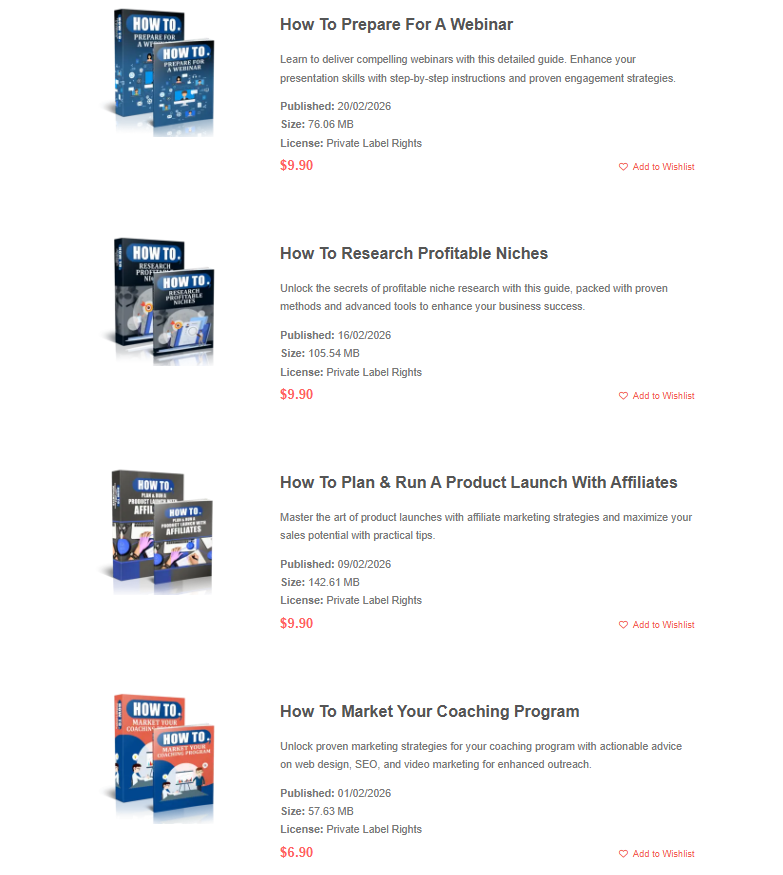
Although IDPLR has been operating since 2008, the platform continues to release new products periodically. Some of the newer listings include modern business and marketing topics such as:
- email sequences
- affiliate marketing
- coaching programs
- webinar strategies
- digital product funnels
This shows that the platform is still active and continues to expand its catalog.
However, newer content does not automatically mean higher quality. The usefulness of these materials still depends on formatting, depth, and presentation style.
Weaknesses of IDPLR Product Quality
While the platform offers scale and variety, there are also clear weaknesses that become noticeable when reviewing actual files.
Inconsistent Quality Across Products
One of the biggest challenges with IDPLR is inconsistency. Some products feel structured and usable, while others appear minimal or unfinished.
This variation becomes obvious when opening different files from the same category.
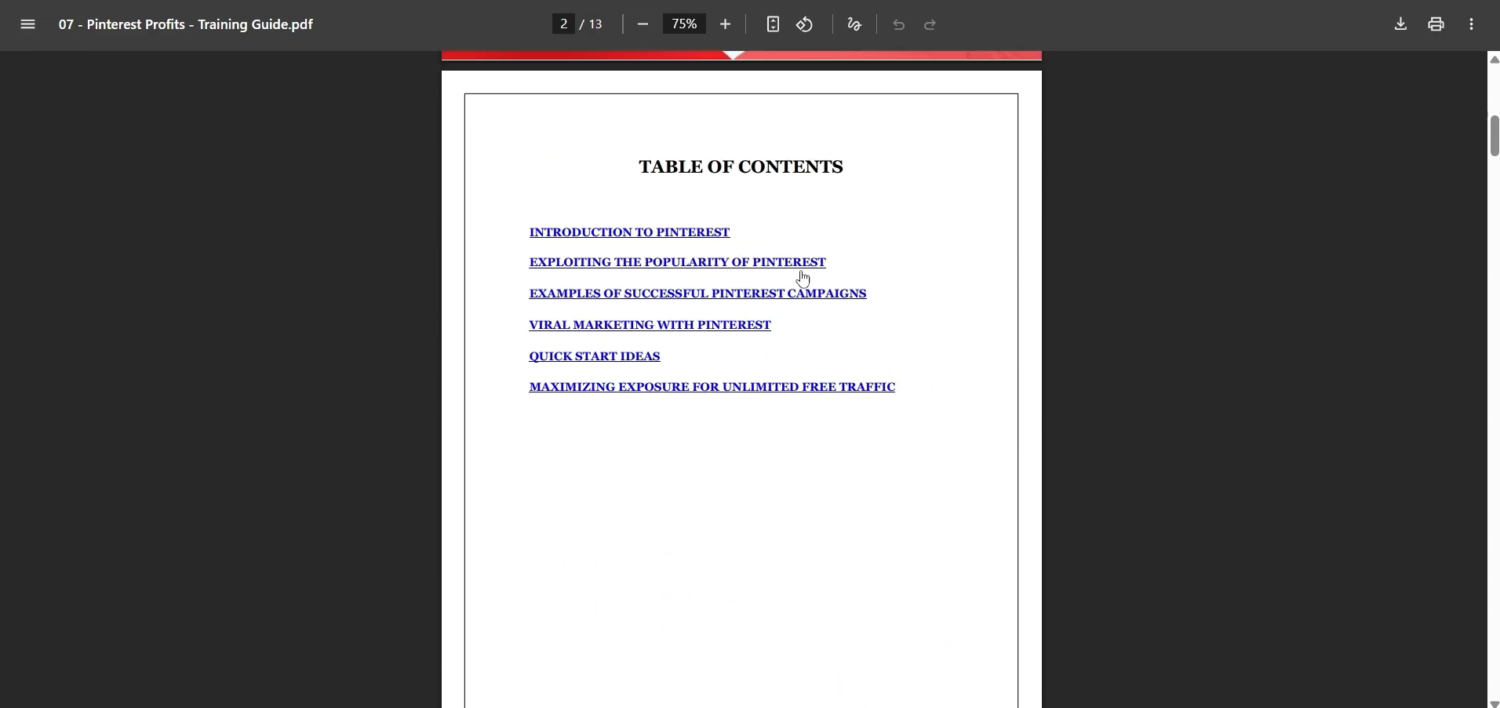
This type of formatting is common in large PLR libraries where content is created quickly and reused across many niches.
In many cases, these materials still work as starting points but require heavy editing, restructuring, or redesigning before being used commercially.
Outdated Visual Elements
Another noticeable issue is the presence of outdated visuals in certain products. This becomes especially visible when screenshots inside ebooks show interfaces from older software versions or social media platforms.
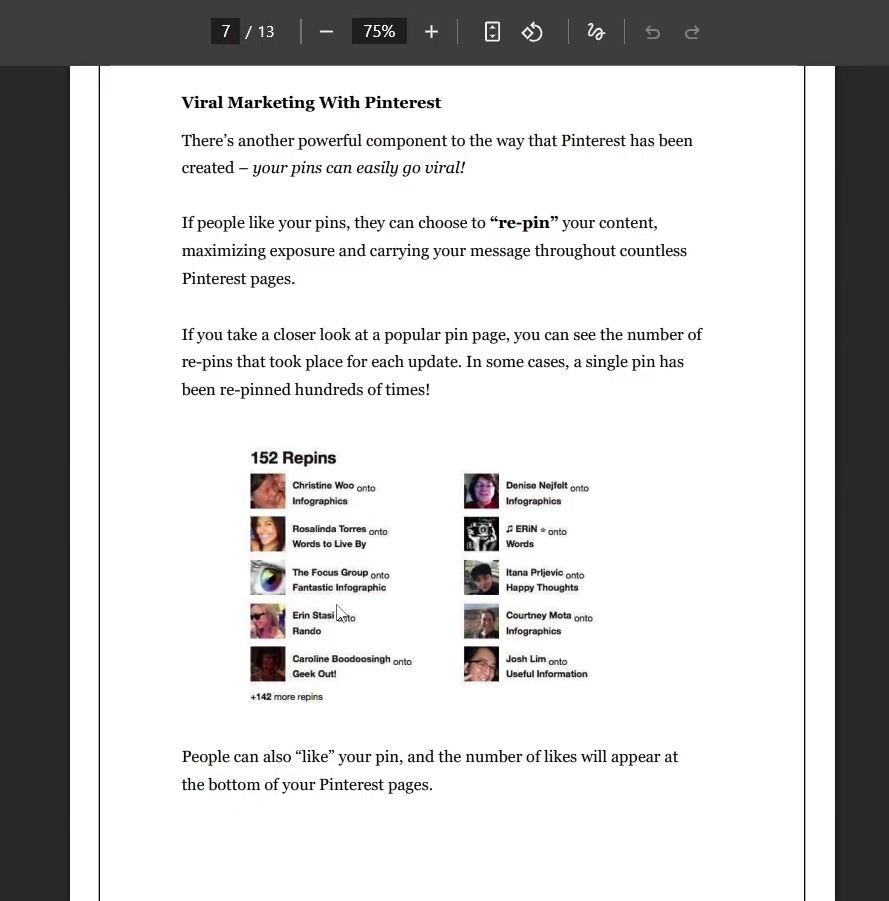
Outdated visuals do not necessarily make content unusable, but they often require updating before distribution.
This becomes particularly important when working with technology-related content, where visual accuracy affects credibility.
Generic Content Structure
Another pattern seen across many products is the use of simple, generic writing structures. Many ebooks follow a predictable format with limited depth or detailed examples.
These materials often include:
- short chapters
- repetitive structure
- surface-level explanations
- minimal design formatting
While this type of content can still be useful for brainstorming or repackaging ideas, it usually requires additional editing before being used in professional products.
Occasional Technical Issues
During testing, some product downloads may contain files that do not function perfectly or require troubleshooting.
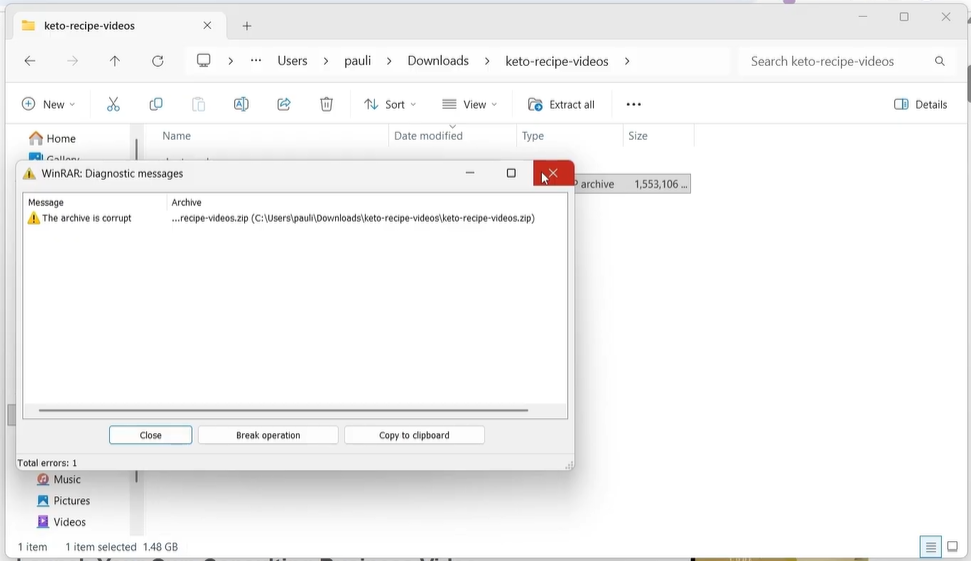
Technical problems like this are not constant but can occur occasionally when working with large libraries.
Realistic Expectations About IDPLR Quality
The biggest takeaway when evaluating IDPLR quality is understanding what the platform is designed to deliver.
It is not structured as a premium, curated content marketplace. Instead, it functions as a large-scale repository where users must browse, filter, and selectively improve materials.
Many products inside the library can still be useful when:
- rewritten
- redesigned
- updated with modern visuals
- combined with other resources
However, expecting polished, ready-to-sell products without editing often leads to disappointment.
The platform works best when viewed as a raw materials source, rather than a finished product provider.
When evaluating any large PLR platform, it’s helpful to step back and look at the bigger picture. IDPLR has been around for many years and built a reputation as one of the largest PLR libraries online. However, like any massive digital warehouse, it comes with both advantages and trade-offs.
Here’s a clear breakdown of the main pros and cons based on real usage and product testing.
Pros of IDPLR

These are the biggest advantages that make IDPLR appealing, especially for beginners looking to access large amounts of digital content quickly.
✅ Massive Product Library
IDPLR offers access to 45,000+ products and 12,000+ packages, making it one of the largest PLR platforms available. The sheer size of the library gives users plenty of options to explore different niches without creating content from scratch.
This is especially useful if you’re testing new product ideas or building bundles from multiple resources.
✅Affordable Membership Pricing
Compared to many curated PLR platforms, IDPLR membership pricing is relatively low. Promotional lifetime deals and short-term memberships make it accessible even for users with small budgets.
Free members can also access 200 free products, which allows beginners to test the platform before committing to a paid plan.
✅ Wide Variety of Formats
The platform includes multiple product formats, such as:
- ebooks
- video courses
- templates
- graphics
- software
- articles
This variety makes it easier to experiment with different product types instead of relying on only one format.
✅ Beginner-Friendly Entry Point
Because of its large library and relatively simple download system, IDPLR works well for beginners who want to understand how digital products function before investing in premium sources.
It provides a practical environment to learn:
- how PLR products are structured
- how licensing works
- how digital files are packaged
Cons of IDPLR

While the platform offers scale and accessibility, there are also limitations that should be considered before joining.
❌ Inconsistent Product Quality
One of the most common issues with IDPLR quality is inconsistency. Some products are usable with minor edits, while others feel outdated or overly simple.
This inconsistency means users often need to:
- review multiple products
- filter out weaker content
- rewrite or redesign materials
❌ Some Outdated Content
Because IDPLR has existed since 2008, older materials remain in the library. This can result in:
- outdated visuals
- older references
- legacy design styles
While newer content exists, older materials still make up a significant portion of the catalog.
❌ Limited Curation Compared to Premium Platforms
Unlike curated PLR marketplaces, IDPLR functions more like a bulk warehouse. This means users must do more manual filtering to find valuable content.
Instead of receiving highly polished products, users often receive raw starting materials that require customization.
❌ Not All Products Allow Editing
Licensing varies across products. Some materials include full editing rights, while others only allow resale or distribution without modification.
This makes it important to carefully review license terms before using downloaded content.
Who Should Use IDPLR?
IDPLR is not designed for everyone, but it can be very useful for specific types of users who understand how bulk digital libraries work. The platform functions best when treated as a large resource pool rather than a premium content marketplace.
Here are the types of users who typically benefit the most from IDPLR.
Beginners Learning How Digital Products Work
If you’re new to PLR and digital products, IDPLR can serve as a practical starting point. The free membership alone gives access to hundreds of sample products, making it possible to explore how digital content is structured without spending money upfront.
New users can learn:
- how digital products are packaged
- how PLR licensing works
- how files are structured inside downloads
- how resale permissions differ across products
This hands-on exposure helps beginners understand the mechanics of digital product distribution before moving into more advanced strategies.
Users Building Large Product Libraries
IDPLR works particularly well for people who want to build large collections of digital materials quickly. Because of its warehouse-style structure, the platform allows users to gather multiple resources across different niches in a short amount of time.
This is useful for:
- creating bundled product collections
- building bonus libraries
- testing multiple digital niches
- assembling starter inventories
If you’re exploring different platforms and comparing options, you may also want to review additional sources listed in my article. That resource outlines multiple marketplaces that offer similar types of downloadable materials.
Content Testers and Experimenters
Some users rely on IDPLR as a testing ground rather than a final production source. Since the platform offers thousands of products across many categories, it allows users to experiment with different ideas before committing to premium tools or custom development.
Typical testing use cases include:
- building lead magnets
- testing niche topics
- creating early product prototypes
- experimenting with bundle concepts
If you’re specifically looking for no-cost starting points, reviewing curated options in my “Free Digital Products to Resell” article can also help identify additional sources worth testing.
Users Comfortable Editing and Customizing Content
IDPLR works best for people who are willing to modify materials after downloading them. Since many products function as raw content rather than finished deliverables, editing is often required.
This includes:
- rewriting text
- updating formatting
- redesigning visuals
- combining multiple resources
Users who enjoy improving and reshaping existing materials often get the most value from large digital libraries like IDPLR.
Who Should Avoid IDPLR?
While IDPLR can be useful in certain scenarios, it is not the right choice for everyone. Understanding when to avoid the platform can save time, money, and frustration.
Here are the types of users who may find better results elsewhere.
People Who Want Premium, Ready-to-Sell Content
If you’re expecting highly polished, professionally branded products that require little to no editing, IDPLR may not meet those expectations.
Many materials inside the library:
- require rewriting
- need formatting improvements
- include basic or minimal visual design
Users looking for premium-quality assets often prefer curated platforms that prioritize design quality and modern formatting.
Users Who Prefer Curated Libraries
IDPLR functions as a massive warehouse rather than a selective marketplace. That means users must browse through large volumes of content to locate useful materials.
If you prefer platforms that:
- filter weaker products
- maintain strict quality standards
- focus on modern content
then warehouse-style libraries like IDPLR may feel overwhelming or inefficient.
Users Focused on Modern Branding and Design
Another limitation appears when strong visual presentation is required. Some products inside the library include older layouts, outdated graphics, or minimal branding elements.
If your workflow depends heavily on:
- modern design styles
- professional visual branding
- polished presentation
then relying solely on IDPLR may require significant redesign work before materials are ready for distribution.
In these cases, curated or premium platforms often provide a smoother starting point.
Best IDPLR Alternatives
If IDPLR feels too broad, too inconsistent, or simply too outdated for what you want to build, there are better alternatives depending on your goals.
Some platforms focus on higher-quality design. Others give you more polished product systems, stronger licensing, or niche-specific content that feels easier to use right away.
Here are the three best IDPLR alternatives worth looking at.
Entrepedia
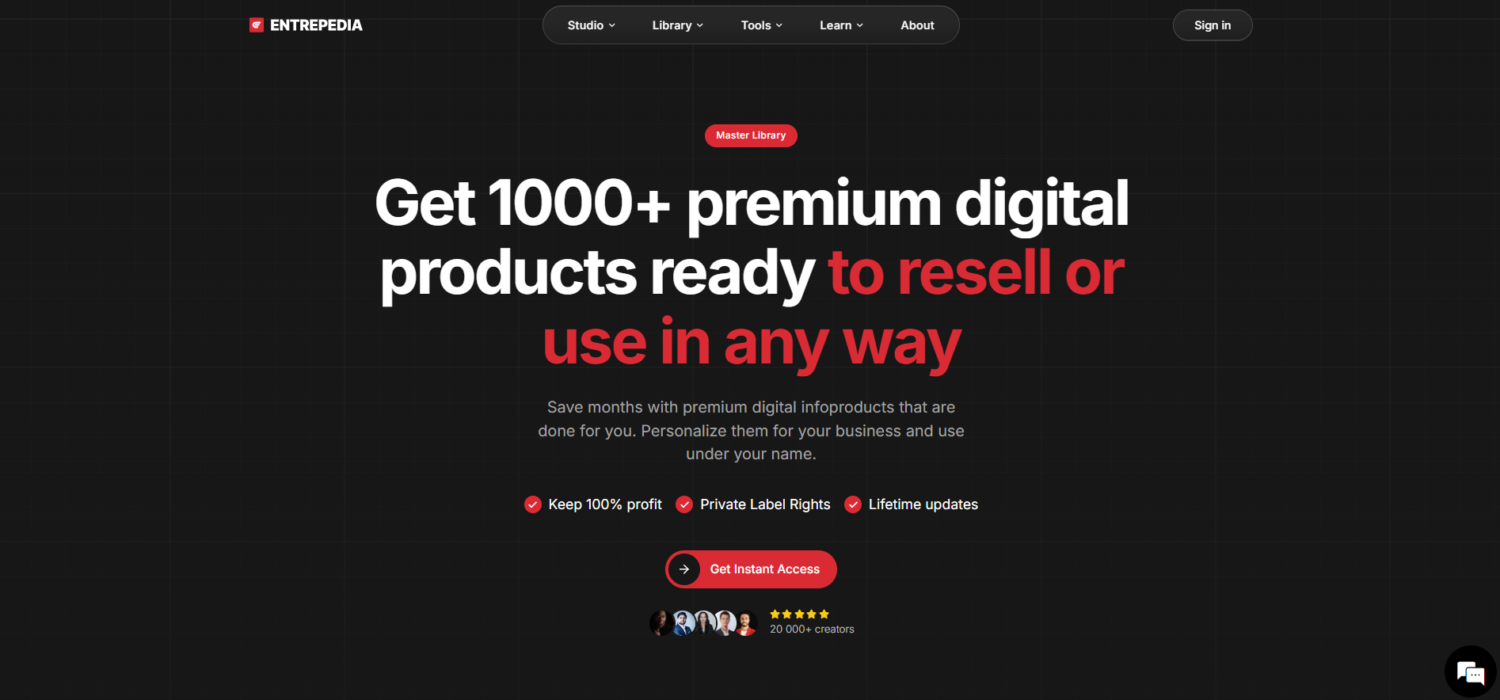
If your main issue with IDPLR is that too many products feel generic or unfinished, Entrepedia is probably the strongest alternative to look at first.
Instead of working like a massive PLR warehouse, Entrepedia feels more like a done-for-you digital product system. The platform includes 1,000+ products across 15+ formats, including ebooks, workbooks, email courses, prompts, templates, and more. The products are much more structured, visually cleaner, and generally easier to turn into something you could actually sell or use in a funnel.
Another advantage is that Entrepedia is built around full Private Label Rights, so the products are designed to be edited, rebranded, bundled, sold, or given away without the same mixed-license confusion that often comes with IDPLR.
It also includes useful built-in tools like a product ideator, title generator, product description writer, and PDF rebrander, which makes the platform feel more practical if you want to move faster.
If you want to read the full breakdown, see my Entrepedia Review.
Create a free account and download 1 product for free to test the quality yourself.
PLR.me
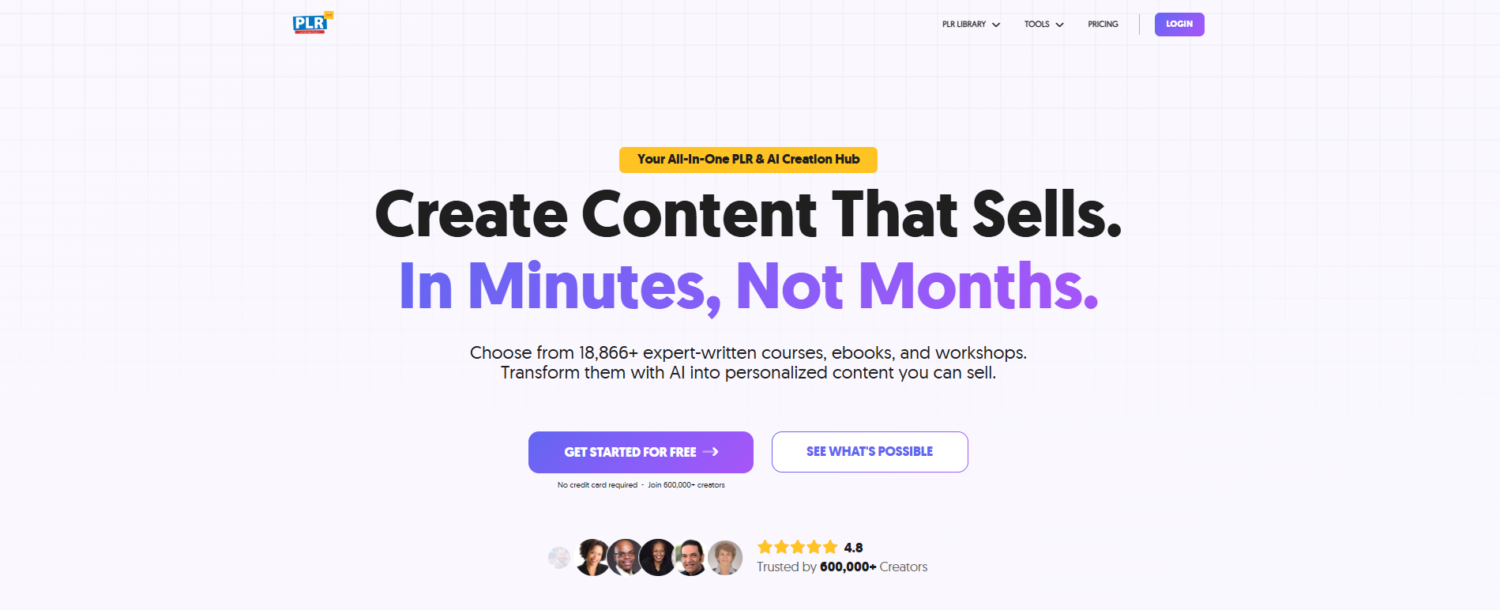
PLR.me is a very different type of platform. While IDPLR wins on raw quantity, PLR.me is much stronger when it comes to content quality, structure, and usability.
The platform currently has 18,000+ products, 600+ bundles, and a strong focus on self-development, coaching, wellness, confidence, habits, productivity, relationships, and evergreen expert content. So rather than being a general bulk warehouse, it feels like a quality-first content ecosystem built for people who want something more polished and easier to put to work.
One of PLR.me’s biggest strengths is the bundle system. Instead of downloading disconnected files, you can often get a more complete set of assets built around one topic, such as ebooks, worksheets, checklists, emails, and supporting materials. That makes it a strong option for coaches, course creators, consultants, and anyone building lead magnets or digital offers.
It also includes AI tools, branding tools, publishing tools, and training, which makes it more than just a content download site.
If you want the full details, check my PLR.me Review.
Start with 10 free credits and test the platform before paying.
Tools For Motivation

If your main focus is self-help, coaching, personal growth, or motivation, Tools For Motivation is one of the most interesting niche alternatives to IDPLR.
Unlike IDPLR, which tries to cover almost every niche, Tools For Motivation is much more specialized. It focuses heavily on self-help content and positions itself around higher-quality, in-house created materials rather than warehouse-style volume. The platform includes ebooks, audio, video, full products, tips reports, content bundles, and premium self-help courses.
A big advantage here is that the content feels more intentional and more niche-specific. It is especially useful for people who want self-help PLR they can use for blogs, courses, workshops, lead magnets, or client-facing materials.
The platform also puts more emphasis on training, support, and ongoing releases, which gives it a more human and guided feel compared to many older PLR sites.
If you work in the self-help or coaching niche, check out Tools For Motivation
Is IDPLR Legit or a Scam?
If you’re wondering whether IDPLR is legit, the short answer is yes — it appears to be a legitimate platform, not a scam.
There are a few reasons for that.
First, IDPLR has been around for a long time. The platform states that it has been operating since 2008, which gives it much more history than the average short-lived PLR site. Scam-style websites usually do not maintain a consistent presence for that many years.
Second, the platform presents itself as having a large user base of 400,000+ members. While membership numbers should always be taken as platform claims unless independently verified, the site clearly has the scale and structure of a long-running business rather than a fake storefront.
Third, the platform does provide working product access and real downloadable files. During testing, products could be browsed, previewed, and downloaded, which confirms that there is an actual digital library behind the membership model. That alone separates it from sites that promise content but fail to deliver anything real.
That said, being legitimate does not automatically mean every product is high quality or that every section of the library will meet your expectations. A platform can be legitimate while still having weaknesses such as mixed quality, outdated materials, or inconsistent formatting.
So the fairest answer is this:
👉 IDPLR is legit, but it is best viewed as a large mixed-quality PLR warehouse rather than a premium curated platform.
If you go in with the right expectations, it can still be a useful resource.
Final Verdict — Is IDPLR Worth It in 2026?
So, is IDPLR worth it in 2026?
The honest answer is yes for some users — but not for everyone.
IDPLR has remained active for many years and continues to offer one of the largest PLR libraries available. The platform includes thousands of digital products across many formats, including ebooks, videos, software, templates, and articles, making it a practical source of bulk content for users who need volume and variety.
For beginners or experimenters, the value can be surprisingly strong. The ability to access a large number of resources at a relatively low cost means you can test different ideas, explore niches, and build basic digital products without starting from scratch. Many users find that the platform becomes worthwhile after downloading only a handful of usable products.
However, expectations matter.
IDPLR is not designed to be a premium, polished content source. The library includes a mix of newer and older materials, and quality varies significantly from one product to another. Some resources work well as starting points, while others require rewriting, redesigning, or updating before they feel modern enough to use professionally.
That’s why the platform works best when viewed as a raw content warehouse, not a finished product marketplace.
Here’s the balanced takeaway:
- Worth it if you want large quantities of content to test, modify, and repurpose
- Worth it if you’re comfortable editing and improving materials
- Less worth it if you expect premium-quality, ready-to-sell products with modern design
👉 Final judgment: IDPLR can still be worth it in 2026 — but mainly as a bulk resource library, not a polished digital product solution.