Most PLR courses look promising…
Until you actually download them.
Then reality hits:
- outdated content
- generic advice
- poor formatting
- no supporting materials
- hard to turn into a real product
And when you’re working in the self-help space, this problem gets worse.
Because:
Self-help content needs to feel credible, structured, and meaningful — not like recycled filler.
That’s why platforms offering self-help PLR courses and white label courses sound appealing.
But here’s the real question:
– Is Tools For Motivation actually different…
– or just another repackaged PLR library?
What Is Tools For Motivation?

Tools For Motivation is a platform built specifically around self-help PLR courses and personal development content.
It was founded back in 2010, which gives it more than a decade of history in producing done-for-you self-development materials. That long track record matters, especially in the PLR space, where many platforms appear and disappear within a few years.
Unlike broad PLR marketplaces that cover dozens of unrelated niches, Tools For Motivation focuses almost entirely on self-help and personal development topics.
That includes areas such as:
- mindset
- confidence
- productivity
- emotional growth
- relationships
- motivation
- self-improvement
This narrow focus is one of the platform’s defining characteristics.
Instead of trying to provide content for every niche imaginable, the platform concentrates on producing self-help PLR courses, self-development training, and supporting materials designed for real-world teaching and publishing.
Another important detail is how the content is created.
According to the platform, the materials are developed in-house by their own team, rather than being sourced from multiple outside contributors. That gives the content a more consistent style and structure compared with many generic PLR libraries.
New content is also released regularly.
The platform states that new products are added weekly, which helps prevent the library from becoming stagnant — a common problem with older PLR platforms that rarely update their catalogs.
One of the key ideas behind Tools For Motivation is usability.
Rather than offering only standalone files, the platform is designed for people who want to build structured content such as:
- self-help programs
- coaching materials
- educational workshops
- online courses
- white label courses
- membership content
In other words:
– It’s not built primarily for people who want to flip cheap content quickly.
– It’s built for people who want to develop structured self-help content under their own brand.
Quick Overview of Tools For Motivation
Before going deeper, here’s a simple overview of what Tools For Motivation offers and how the platform is structured.
| Feature | Details |
|---|---|
| Main Focus | Self-help PLR courses and personal development content |
| Product Types | Self-help courses, full products, content bundles, shareables, tips reports, and free PLR |
| Media Formats | Video lessons, audio files, slide decks, PDFs, workbooks, Canva templates, and social graphics |
| Best For | Coaches, educators, bloggers, course creators, and personal development brands |
| License | White label usage allowed — edit, brand, and sell as your own (restrictions apply to reselling rights) |
| Pricing | Ranges from low-cost reports to premium self-help PLR courses |
What Types of PLR Courses and Products Are Available?
One of the first things you’ll notice inside Tools For Motivation is that the platform isn’t limited to just one type of product.
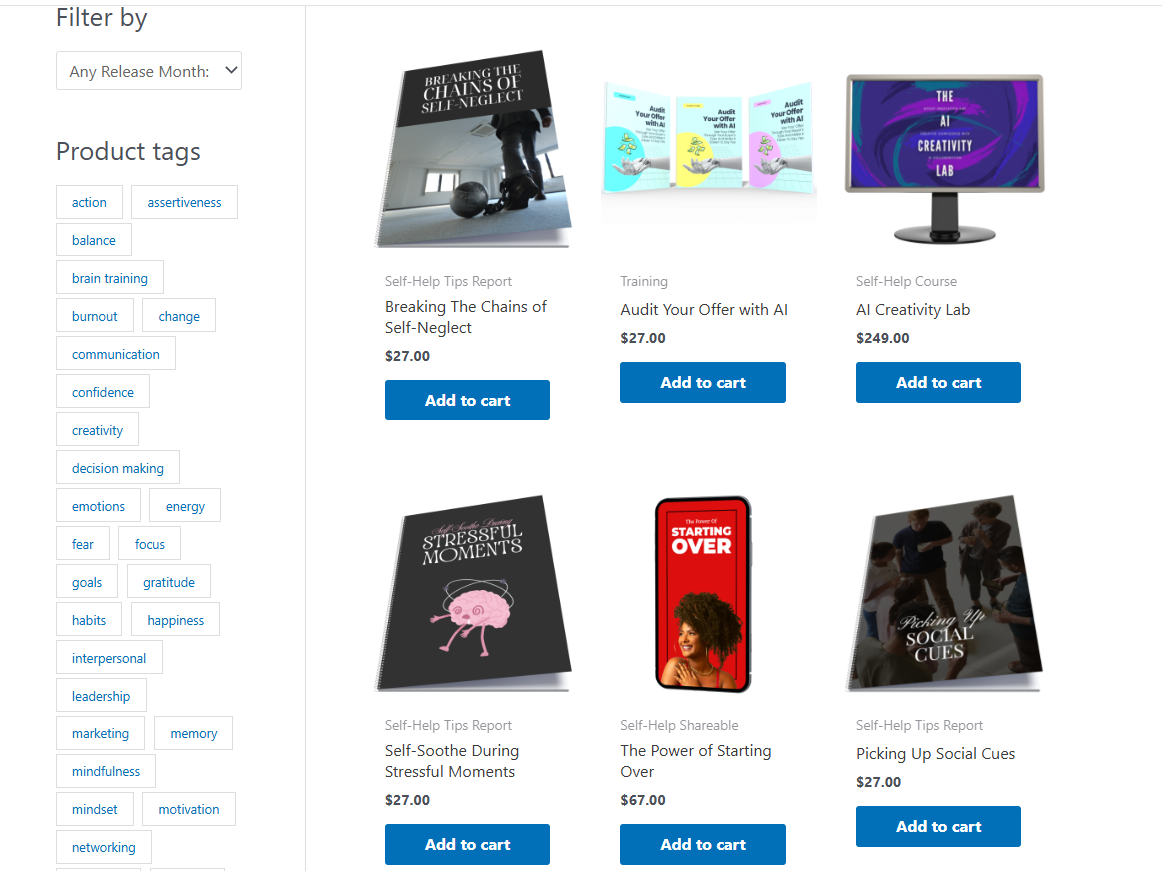
Instead of offering only ebooks or single downloads, it provides several structured formats designed to support different ways of building and delivering content. This makes it easier to match the product type to your specific goal — whether that’s creating full self-help PLR courses, building lead magnets, or publishing regular content.
Rather than forcing everything into one format, the platform separates its materials into categories that range from full training programs to smaller supporting resources. That flexibility is useful because not every project requires the same level of depth.
Self-Help PLR Courses (Main Focus)
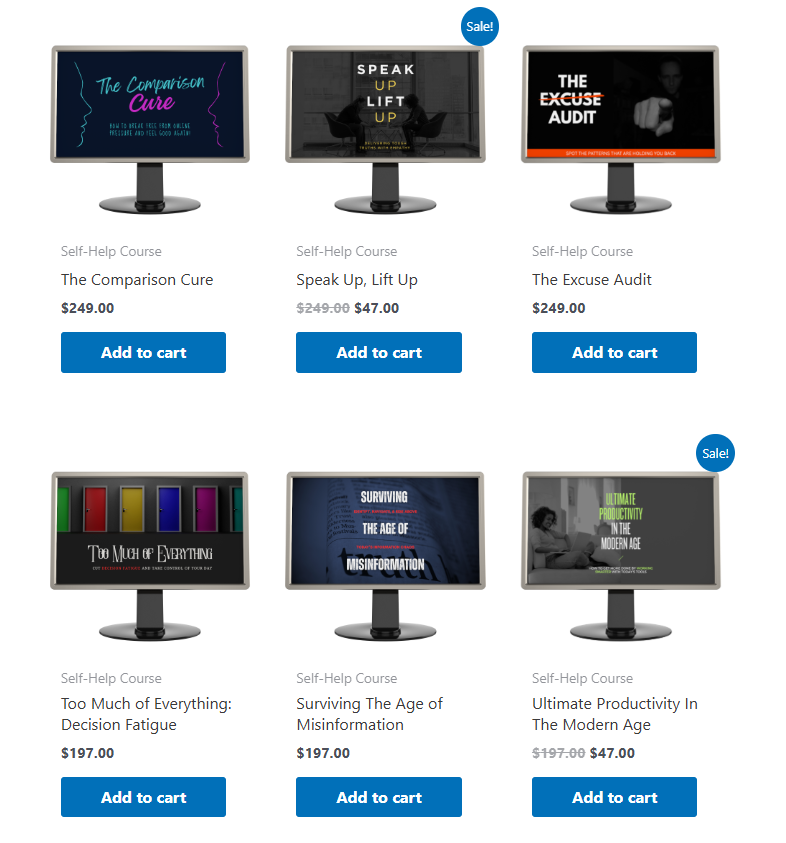
The centerpiece of the platform is its collection of self-help PLR courses, which are designed as structured training programs rather than standalone files.
These courses typically follow a multi-module format, allowing learners to move through lessons step by step. Instead of jumping between unrelated materials, each section builds on the previous one, creating a clear learning flow.
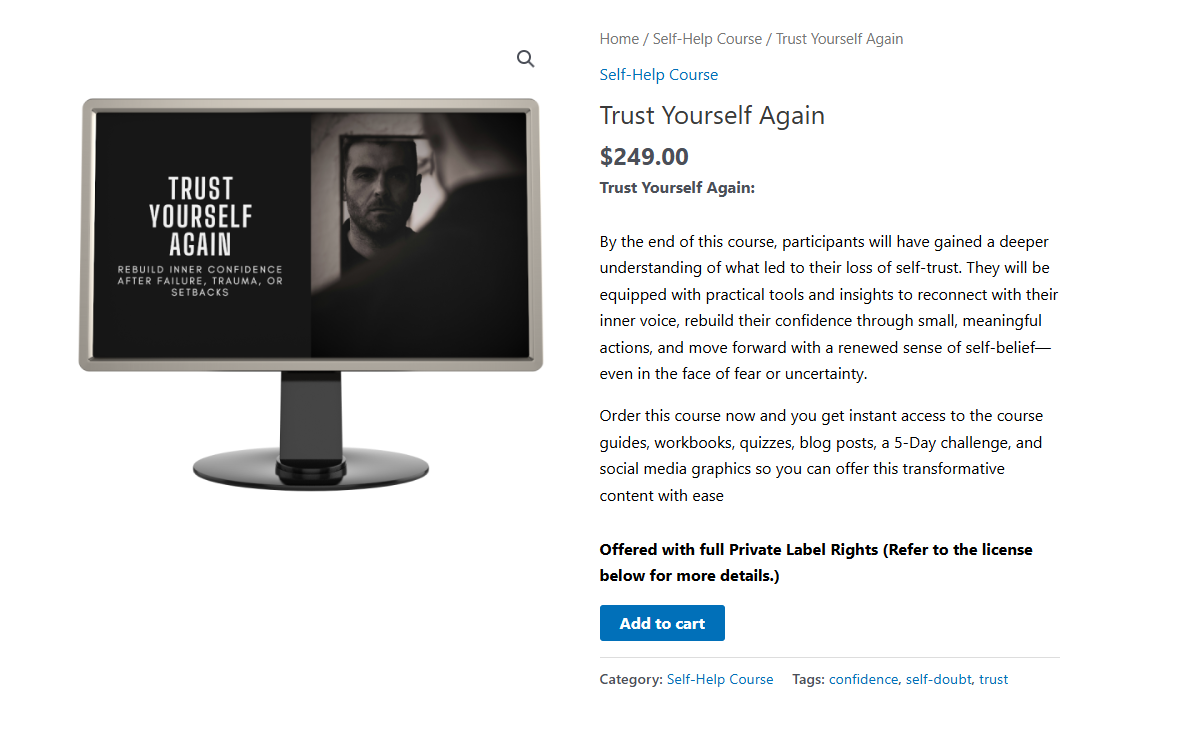
Most self-help PLR courses include:
- Multi-module training programs built around a specific topic
- Video lessons supported by audio versions
- Slide decks that can be used for presentations or recorded lessons
- Worksheets and action guides that encourage implementation
- Quizzes designed to reinforce learning
- A structured sequence that guides users through the material logically
This type of format makes the content feel more like a complete learning system rather than a collection of documents.
Full Products
Full Products sit just below the course level but still provide a substantial amount of structured content. These packages are typically built around a central ebook, supported by additional materials that help turn the content into something usable.
Most Full Products include:
- A core ebook-centered package built around a specific self-help topic
- Supporting audio versions and workbooks that expand the learning experience
- Pre-written marketing materials to help promote the product
- Content that can be packaged as ready-to-sell digital products
This format works well if you want something more complete than basic PLR, but without building a full multi-module course.
Content Bundles
Content Bundles are lighter than full products but still offer practical materials that can be reused across different formats.
These bundles are typically built around a single topic and include:
- Topic-based articles that can be published as blog content
- Matching audio content for alternative delivery formats
- Slide presentations that support teaching or presentations
- Supporting materials designed to act as white label courses support content
They are especially useful for keeping websites, memberships, or course ecosystems active without constantly creating new material from scratch.
Self-Help Shareables
Self-Help Shareables focus on consistent content publishing rather than full program delivery.
These products are designed primarily for:
- Social media content, including ready-to-use graphics and posts
- Daily publishing, helping maintain regular activity across platforms
- Audience building, by sharing short, practical self-help insights
They work best as supporting content that keeps your brand visible between larger product launches or course releases.
Tips Reports
Tips Reports are among the simplest and fastest products to deploy.
They are built around short-form self-help content, making them ideal for quick use without heavy customization.
Most Tips Reports are used as:
- List-building tools to grow email subscribers
- Quick lead magnet resources that provide immediate value
- Fast implementation assets that can be published or distributed with minimal setup
Because they are compact and focused, they are often one of the easiest entry points for testing new content ideas or building early audience engagement.
What Tools For Motivation PLR Courses Actually Look Like
It’s one thing to read about features and product categories, but the real test of any platform comes down to what you actually receive after downloading a product.
Because this is where many PLR platforms start to feel disappointing.
Everything looks good on the sales page, but once you open the files, the content often feels thin or disconnected. That’s why it makes sense to look at a real example rather than relying on descriptions alone.
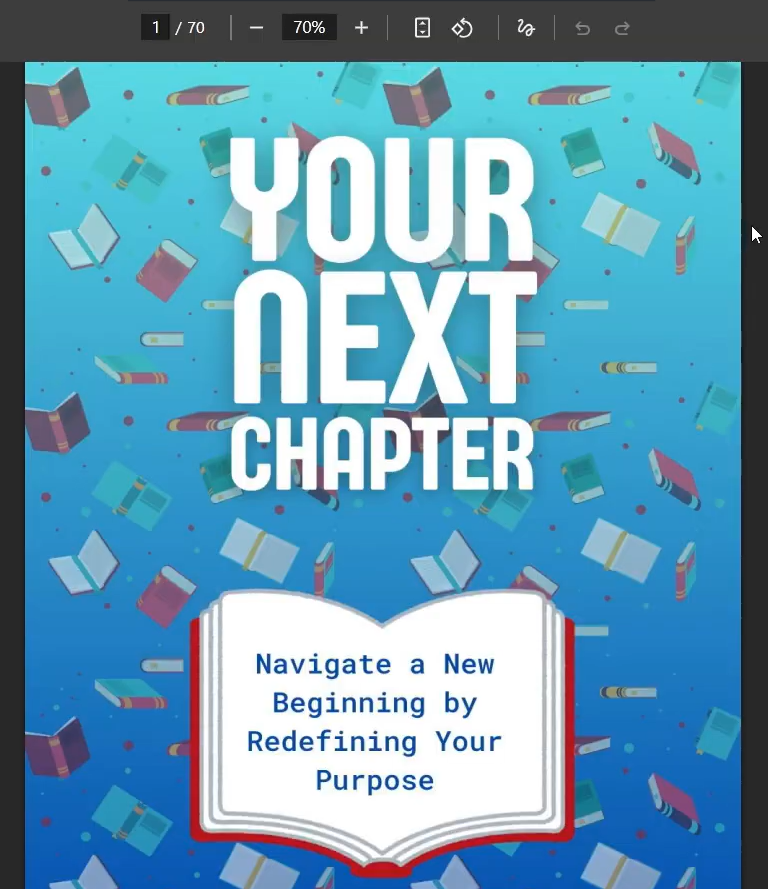
For this review, I downloaded one of the premium self-help PLR courses called Your Next Chapter.
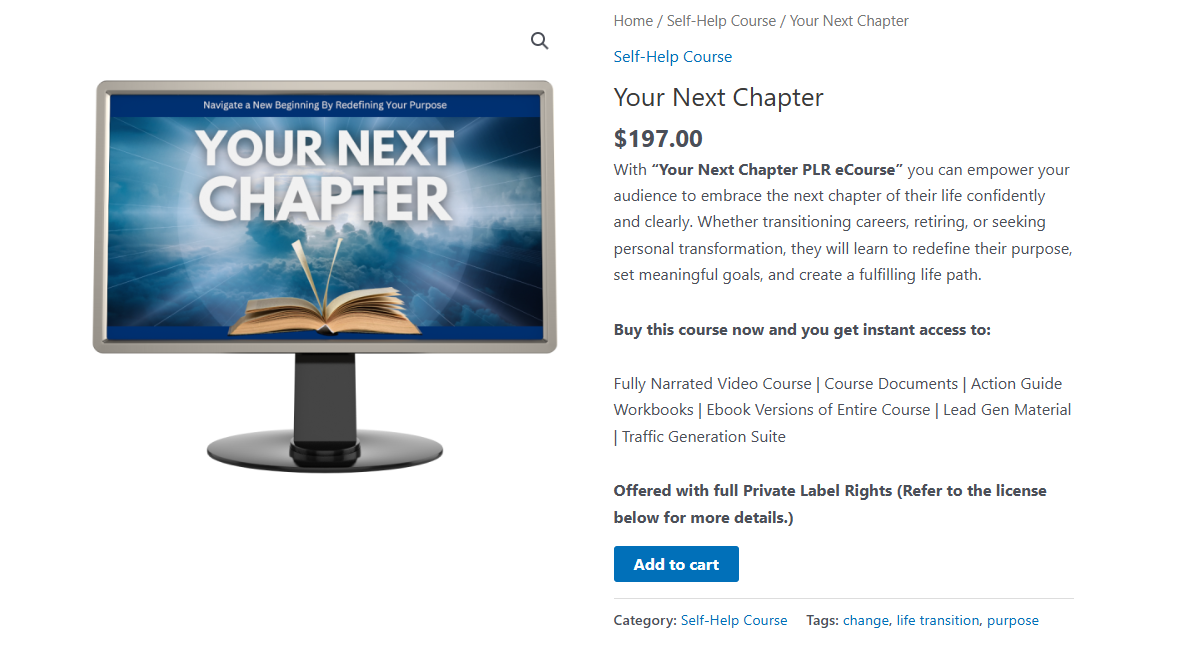
This course focuses on helping people navigate major life transitions — situations like career changes, retirement, or finding a new sense of direction. That makes it a strong real-world topic, not something abstract or overly theoretical.
More importantly, it gives a clear picture of how deeply structured these courses can be. Instead of isolated lessons, the material follows a logical progression designed to guide someone step by step through a process.
That structure makes it easier to turn the content into a usable self-development course rather than trying to assemble disconnected pieces manually.
Inside a Real Tools For Motivation Self-Help PLR Course
Once you open the downloaded files, the difference between basic PLR and structured self-help PLR courses becomes much easier to see.
Rather than receiving a handful of random documents, the materials are arranged in a way that supports a clear workflow. Each part of the content is grouped based on how it will be used, which makes the system easier to navigate from the beginning.
Instead of figuring out how to organize everything yourself, most of the heavy lifting has already been done.
Folder Structure — What You Actually Download
The first thing that stands out is how the files are organized.
Instead of scattered downloads, the course is delivered as a structured system divided into multiple folders. Each folder represents a different function within the overall program.
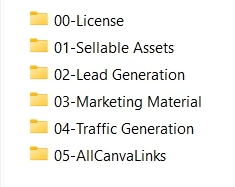
You’ll typically find sections such as:
- Sellable assets, which contain the core course materials
- Lead generation materials, used for building subscriber lists
- Marketing materials, designed to promote the product
- Traffic generation resources, created to support visibility
- Canva links, allowing direct editing of visual materials
This layout makes it easier to move through the content logically. Rather than guessing where things belong, each piece has a clear place in the workflow.
That organization is one of the first signs that these self-help white label courses are built as systems rather than simple file collections.
Course Modules and Core Lessons
Inside the main course materials, the structure continues with clearly defined learning stages.
The Your Next Chapter course is divided into four primary modules, supported by an introduction at the beginning and a conclusion at the end. This creates a structured progression that guides learners through the topic rather than presenting disconnected lessons.
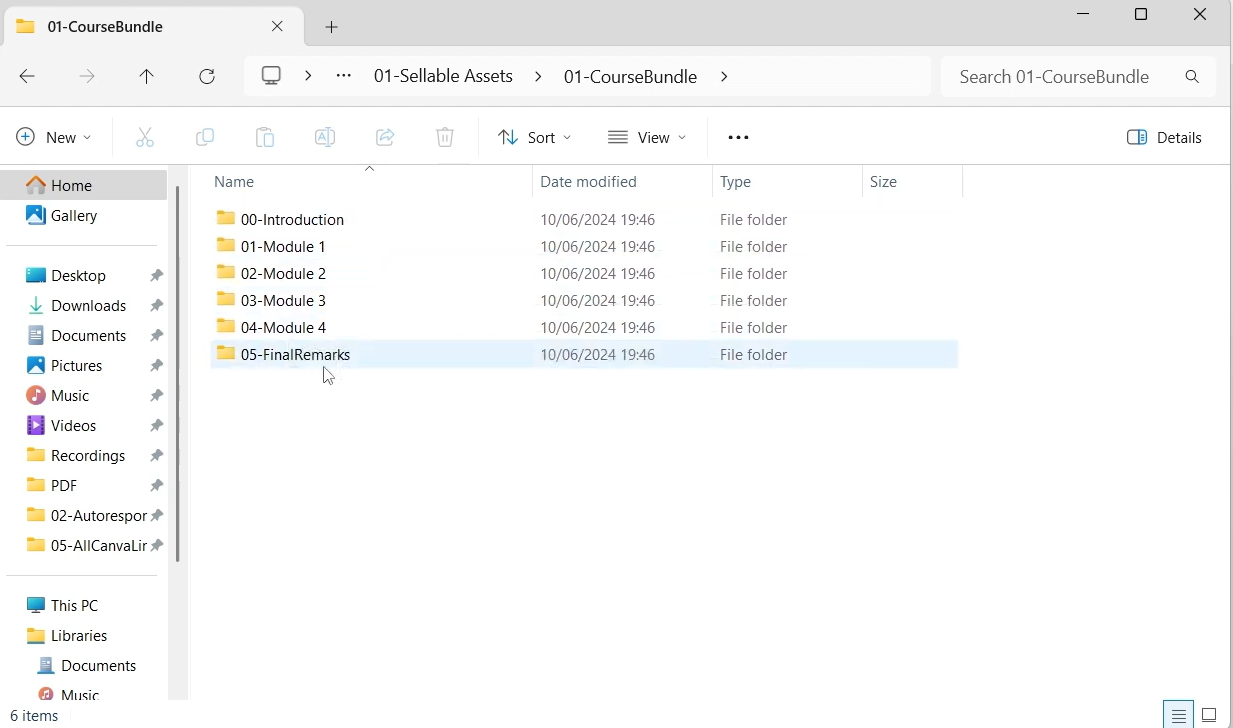
Each module focuses on a specific phase of the learning process, allowing the content to build logically from one step to the next.
Within each module, you typically find:
- A course document explaining the lesson content
- Supporting materials that reinforce the topic
- Exercises designed to deepen understanding
- Additional media elements that support delivery
This step-by-step format makes the content easier to follow and easier to teach.
Instead of presenting isolated information, the modules work together to create a consistent learning path — something that feels much closer to a professionally structured self-development course.
Editable Canva Slide Decks
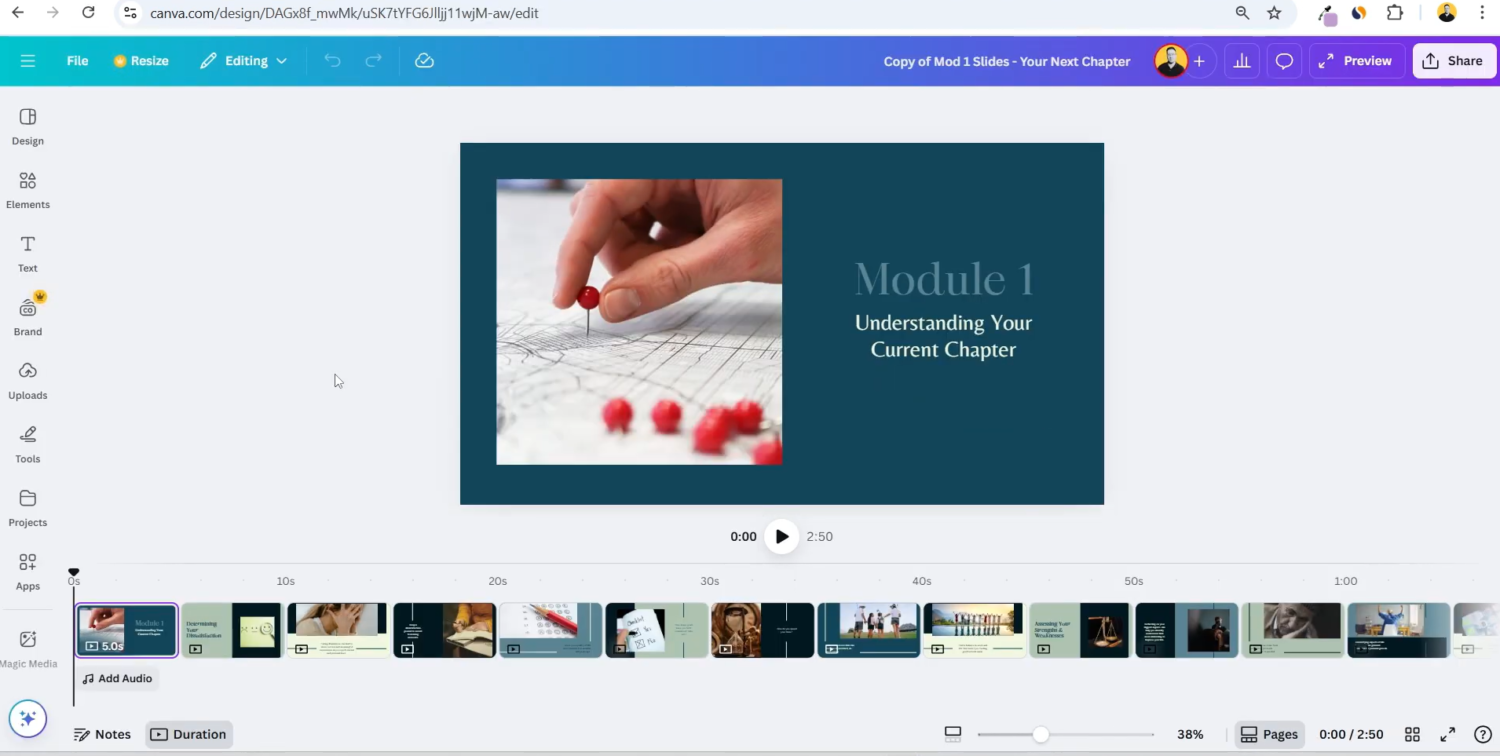
Another practical component included in these self-help PLR courses is the set of editable slide decks provided for each module.
These slides are designed to be opened directly in Canva, which makes customization simple even if you don’t have design experience. Instead of building presentations from scratch, you can adjust the existing slides to match your branding, colors, and messaging.
This makes them especially useful for:
- Live teaching sessions, where slides guide the lesson flow
- Webinars, allowing you to present structured content visually
- Workshops, where visual materials support explanations and engagement
- Recording video lessons using ready-made presentation layouts
Because everything is editable, you can easily update text, replace images, and add logos without needing specialized software.
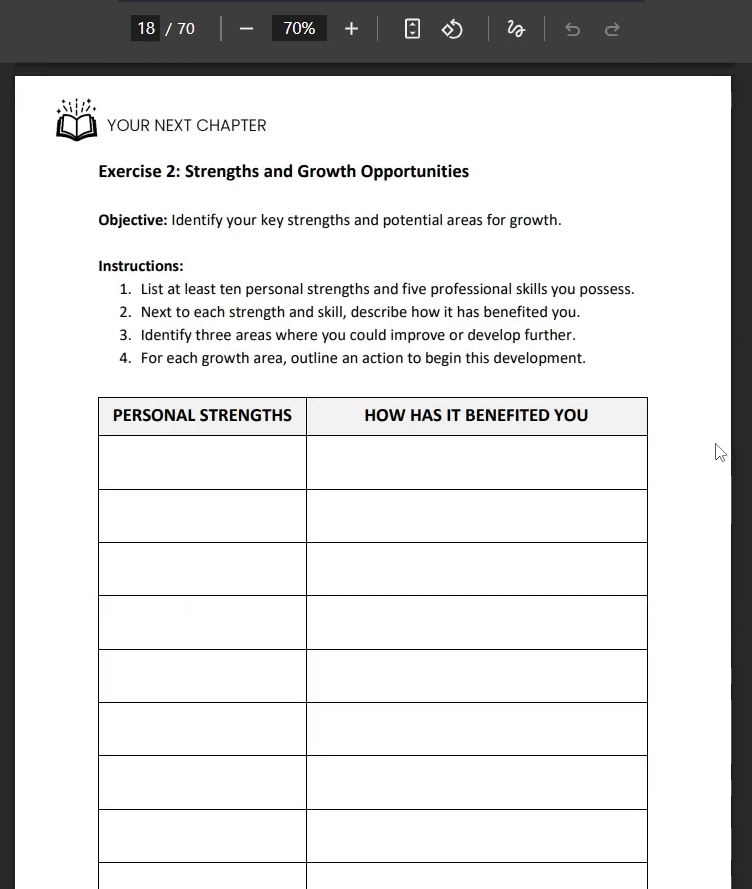
Action Guides and Exercises
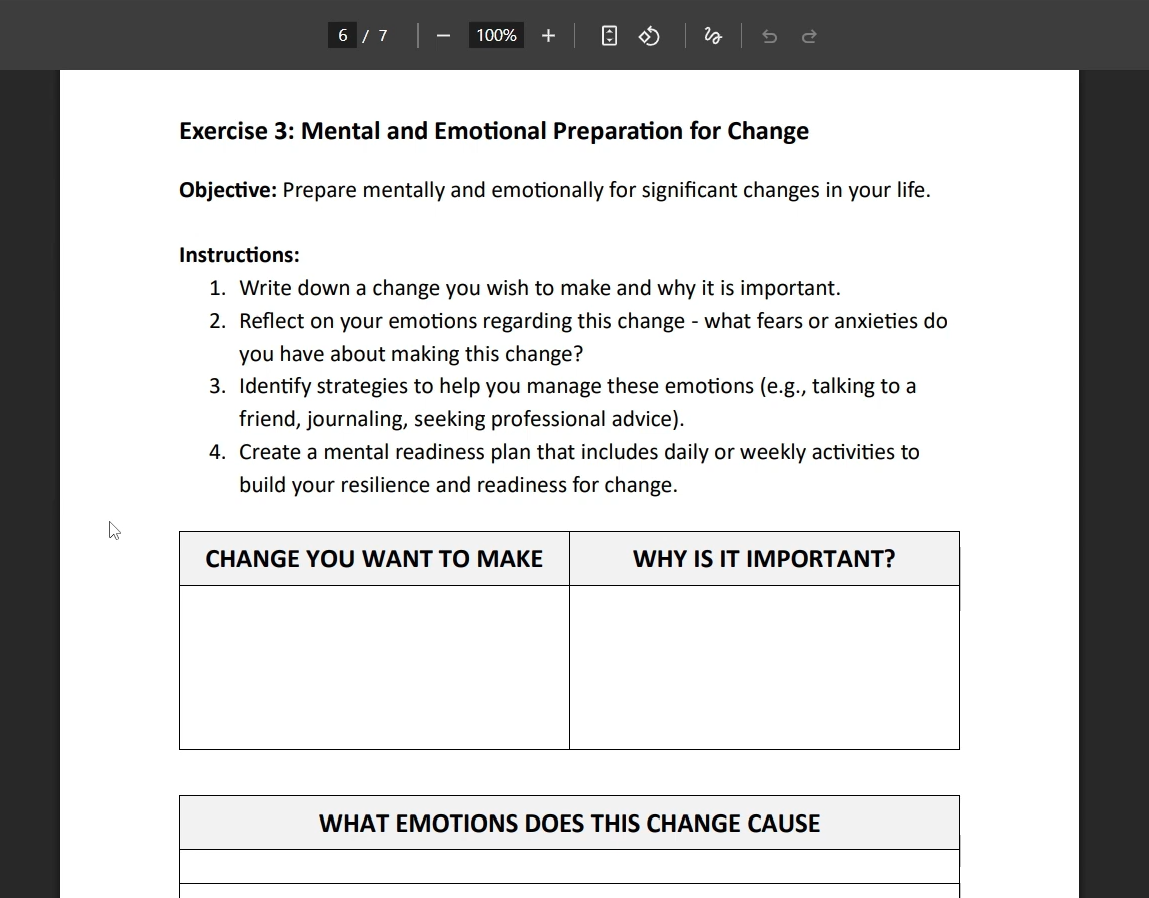
One of the elements that separates structured courses from basic content is the inclusion of action-based materials.
These courses don’t rely only on reading — they focus on implementation, which is where real progress happens. The action guides included in each module encourage users to apply what they’ve learned rather than passively consuming information.
Most modules include worksheets designed to support:
- Reflection, helping users evaluate their current situation
- Application, guiding them to take specific actions
- Self-assessment, identifying patterns or obstacles
- Planning, turning ideas into concrete steps
This shift from reading to doing is what makes structured self-help PLR courses feel more like coaching programs than simple downloads.
Video and Audio Lessons
Another key strength of these self-help PLR courses is the flexibility created by having both video and audio lesson formats.
Instead of being locked into a single delivery method, the content can be adapted depending on how you want to present it.
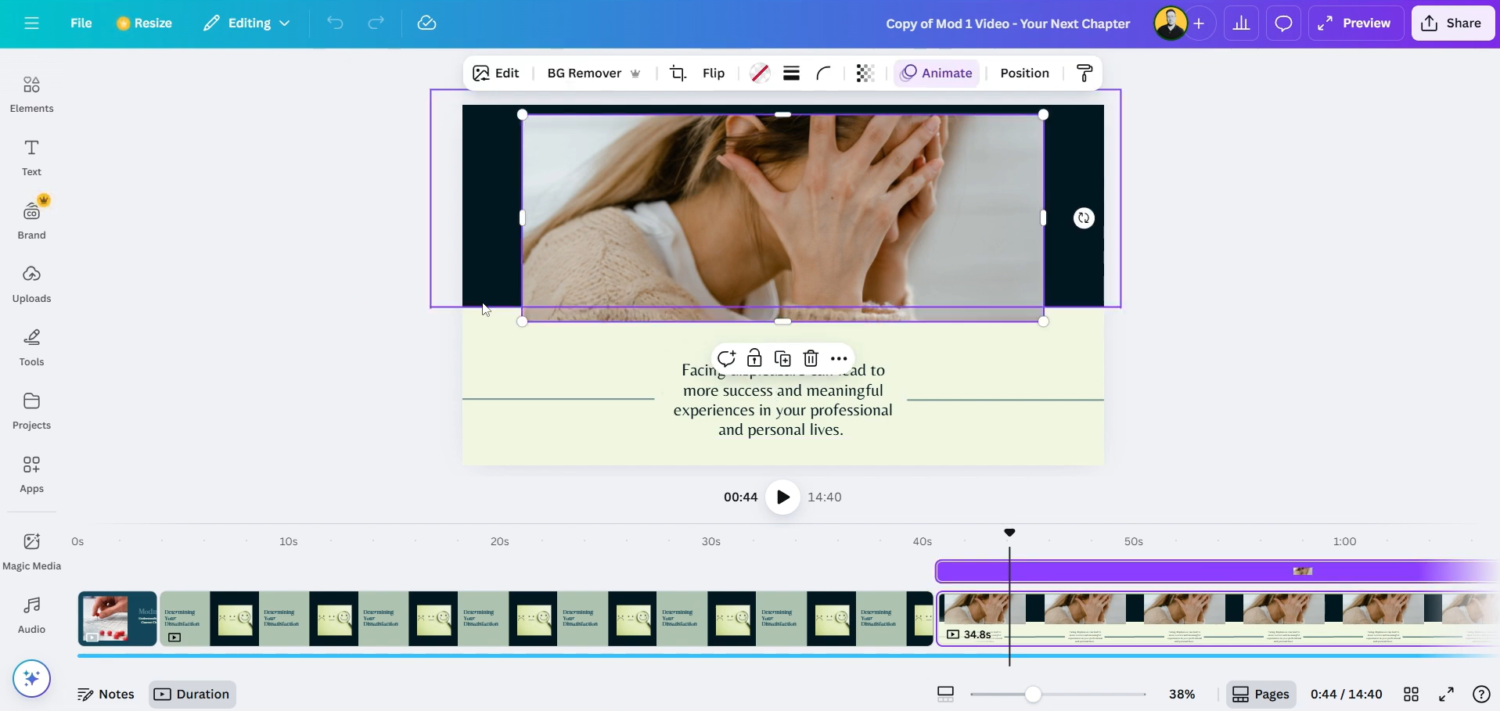
Video lessons can be uploaded directly into:
- LMS platforms such as Teachable, Kajabi, or similar systems
- Webinars, where slides and narration are used for live presentations
- Membership portals, allowing users to access lessons on demand
At the same time, audio files provide an additional layer of flexibility. These can be repurposed into podcast-style content, downloadable lessons, or mobile-friendly learning formats.
That flexibility makes it easier to reuse the same materials across multiple platforms without creating entirely new content.
The Ebook, Lead Magnet, and Email Assets Included
Beyond the core lessons, one of the biggest value differences with structured self-help PLR courses comes from the supporting assets that surround the main training.
This is where the package starts to feel less like a single course and more like a complete content system. Instead of needing to create additional materials from scratch, many of the supporting elements are already prepared and ready to use.
These extras are often what make the difference between having content and having something that can actually be launched.
Ebook and Checklist
Alongside the main course materials, you also receive an enhanced ebook version that follows the same structure as the lessons.
This ebook isn’t just plain text pasted into a document. It’s styled with headings, spacing, and formatting that make the content readable and organized from the start. That means it can be used almost immediately without requiring major edits.
Most versions include:
- Clearly structured chapters that follow the course flow
- Styled layouts that improve readability
- Exercises embedded within the content
- A quick summary checklist that highlights key actions
The checklist is especially useful because it allows users to reference the most important ideas without going through the full lesson again.
Lead Magnet and Email Sequences
One of the most practical additions included in these self-help white label courses is the lead magnet and email sequence system.
Instead of building list-building content from scratch, you receive ready-made lead magnet reports designed to attract new subscribers. These reports typically focus on a specific problem related to the main course topic, making them suitable for use as entry-point resources.
Alongside the report, you also get pre-written email autoresponders designed to follow up after someone downloads the lead magnet.
These assets create a basic list-building foundation, allowing you to:
- Offer a free downloadable resource
- Collect subscriber email addresses
- Send structured follow-up emails
- Introduce additional lessons or paid offers
This setup removes one of the most time-consuming parts of launching a course — creating supporting communication from scratch.
If you don’t want to build these materials from scratch, this is where Tools For Motivation becomes significantly more practical.
You can explore the available self-help PLR courses and supporting materials directly, and if you decide to try one, you can use:
Use Code: PAUL20 — Get 20% Off Tools For Motivation Products
5-Day Challenge Kit
Another useful component included in many packages is the 5-day challenge kit.
This format focuses on engagement by delivering content in short daily steps rather than a single download. Each day includes guided lessons and tasks that keep learners involved over multiple sessions.
Challenge-based content works particularly well because it encourages participation rather than passive reading.
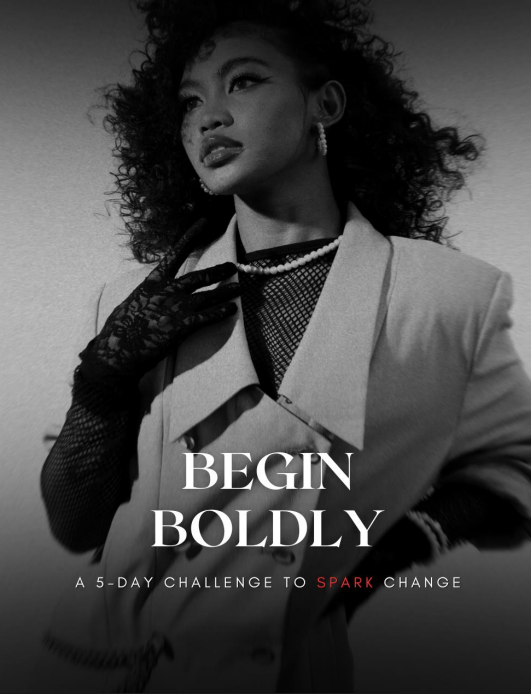
These kits typically support:
- Daily lesson flow that keeps users engaged
- Step-by-step progress through short activities
- Funnel support, helping introduce learners to larger courses
- Continued interaction across several days
Having access to structured content is useful, but the real value comes from how you apply it. These self-help PLR courses are flexible enough to be used in several different ways, depending on the type of business or content model you’re building.
Here are some of the most practical ways people use them.
Sell Your Own Courses
One of the most direct uses is selling the content as your own branded program.
Because these materials are built as white label courses, you can customize the visuals, add your name, adjust the messaging, and position the course under your own brand.
Instead of spending weeks creating lessons from scratch, you can start with a structured foundation and focus on refining it to match your audience.
This approach works especially well if you want to:
- Launch a digital course under your own name
- Create paid self-development programs
- Build a branded product library
- Offer packaged training without building everything manually
Build Email Funnels
Another common use case is building email funnels using the included lead magnets and email sequences.
Rather than starting with a blank page, you already have materials that help capture attention and move subscribers through a structured sequence.
These funnels typically start with:
- A lead magnet that attracts new subscribers
- A series of nurture emails that build trust
- Follow-up messages that introduce paid products or lessons
This method is especially useful if you’re focused on growing an email list — one of the most reliable long-term assets in online business.
Create Membership Sites
These materials also work well inside membership platforms where ongoing content delivery is required.
Instead of producing new lessons every week, you can release structured modules over time, keeping members engaged without constantly creating fresh content.
Membership-style use typically includes:
- Scheduled lesson releases
- Downloadable resources for members
- Structured learning paths
- Ongoing content engagement
This approach helps create consistency while maintaining steady value delivery.
Run Workshops or Coaching
Many of these materials are also suitable for live teaching environments.
Because the courses include slides, worksheets, and structured lessons, they can be used directly in workshops, webinars, or coaching sessions.
This allows you to:
- Deliver live training sessions
- Guide group coaching programs
- Host workshops using prepared materials
- Teach structured self-development sessions
Instead of building teaching materials from scratch, you can focus more on delivery and interaction.
Pricing — Are These PLR Courses Worth the Cost?
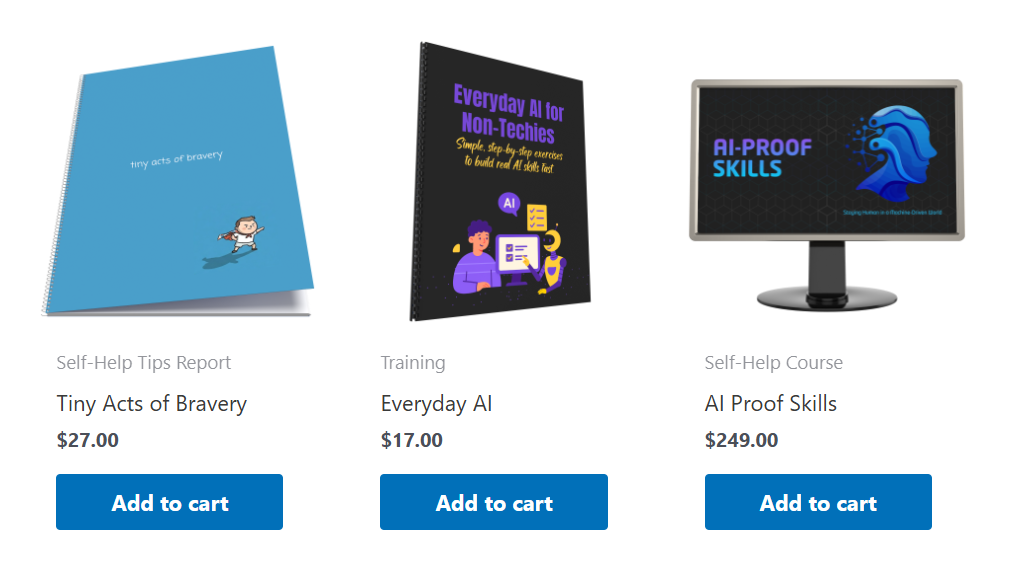
Pricing is one of the most common questions people have when considering structured self-help PLR courses.
Tools For Motivation offers products across multiple price levels, depending on the size and depth of the content package.
Typical pricing ranges include:
- Tips Reports — around $27
- Content Bundles — around $47
- Full Products — typically $147–$197
- Self-Help PLR Courses — usually $197–$249
At first glance, some of these prices may appear higher than entry-level PLR products found elsewhere.
However, the comparison usually comes down to investment versus creation time.
Creating a full course from scratch often requires:
- Writing lesson content
- Designing slides
- Recording materials
- Creating lead magnets
- Writing emails
- Preparing marketing assets
That process can take weeks or even months.
With structured self-help white label courses, much of that work is already completed, allowing you to focus on customization and delivery instead of building everything manually.
If you decide to explore the platform, you can reduce the upfront cost by applying the available discount:
This makes it easier to test the platform while lowering the overall investment required.
Like any platform, Tools For Motivation has clear strengths, along with a few limitations that are worth understanding before making a purchase.
Pros

One of the biggest advantages is the quality of the structured content. The materials are organized into logical learning paths, which makes them feel closer to real courses than simple downloadable files.
Another strong point is the multimedia format. Many packages include video, audio, slides, worksheets, and supporting resources, allowing content to be delivered in multiple ways without needing additional creation work.
The inclusion of editable Canva assets also makes customization easier. Instead of relying on outdated editing tools, most visual materials can be adjusted quickly to match your brand.
The topics themselves are also largely evergreen, meaning they remain relevant over time rather than depending on short-lived trends.
In addition, the professional formatting and complete marketing materials included in many packages help reduce the amount of setup required before launching content.
Cons

One limitation is that the platform is focused almost entirely on the self-help niche, which means it may not be suitable for users working in unrelated industries.
Pricing is another consideration. Compared to basic PLR libraries, some products come at a higher price point, especially full courses.
Customization is also still required. While the content is ready-made, editing and branding are necessary to make it unique.
Finally, some larger packages may feel overwhelming for beginners, especially those new to structured course delivery.
Who Tools For Motivation Is Best For
Tools For Motivation tends to work best for people who want structured content that can be turned into organized learning programs rather than simple downloads.
It’s particularly well suited for:
- Coaches who need ready-made lesson materials
- Self-help creators building personal development content
- Bloggers publishing educational or motivational resources
- Course builders launching structured training programs
- Membership creators delivering ongoing educational content
These types of users benefit the most from structured self-help PLR courses that can be customized and delivered under their own brand.
On the other hand, it may be less suitable for:
- Businesses operating outside the self-help niche
- Creators focused on trend-based or fast-changing topics
- Projects that require content outside personal development subjects
Final Verdict — Is Tools For Motivation Worth It?
Tools For Motivation makes the most sense for people who want structured content they can realistically turn into usable products, programs, or teaching materials.
It’s not a magic shortcut, and it doesn’t remove the need for customization. You’ll still need to adjust branding, refine messaging, and shape the content to match your audience. But what it does remove is the hardest part — building the foundation from scratch.
Instead of starting with a blank page, you’re starting with organized self-help PLR courses that already include lessons, worksheets, visuals, and supporting materials. That alone can save a significant amount of time, especially if you’re planning to launch educational products or build a structured content system.
The platform is best viewed as a starting framework, not a finished business. If you’re willing to customize and apply the materials, it can become a strong base for developing white label courses, self-development programs, or long-term content projects.
If your goal is to build structured self-help content without creating everything manually, Tools For Motivation offers a practical way to move faster while maintaining professional presentation.
If you want to explore the platform yourself, you can browse the available products and test what fits your needs.
Use Code: PAUL20 — Get 20% Off Tools For Motivation Products
Frequently Asked Questions About Tools For Motivation
Is Tools For Motivation beginner-friendly?
Yes, beginners can use the platform, but customization is still required to match branding and audience needs.
Can you sell Tools For Motivation courses as your own?
Yes. The platform allows white label usage, meaning you can edit, brand, and sell the content under your own name.
Are Tools For Motivation PLR courses editable?
Yes. Most packages include editable files, including Canva templates for slides, graphics, and marketing materials.
Is Tools For Motivation only for self-help content?
Yes. The platform focuses almost entirely on self-help and personal development topics.