Creating a course from scratch can take far more time than most people expect. It is not just about writing lessons. You also need structure, branding, delivery materials, and something polished enough to sell or teach confidently.
That is exactly where many people get confused.
White label courses, PLR courses, and MRR courses often get grouped together, even though they are not the same thing. This guide focuses specifically on white label courses to resell — meaning branded-ready training content you can customize and present under your own business, not every type of course with resale rights.
To keep this page useful, I am only covering 3 sources here. The goal is not to list every platform on the internet, but to focus on the few that make the most sense if you want high-quality white-label-ready course content.
If you want a broader comparison of PLR and MRR course platforms, see my full guide to courses to resell.
WHAT ARE WHITE LABEL COURSES?
White label courses are ready-made training programs that are designed to be branded, customized, and delivered under your own business name. Instead of starting from a blank page, you begin with structured course content that is already organized into lessons and modules.
In simple terms, white label courses — sometimes called white label online courses or private label courses — are created with customization in mind from the very beginning. Rather than building everything yourself, you work with materials that are meant to be adapted to your brand and audience.
Most white label training systems typically include:
- Editable lesson content
- Presentation slides or teaching visuals
- Worksheets and exercises
- Structured modules with clear lesson flow
- Supporting assets designed to work together as a complete course
This built-in structure is what separates white label content from many basic downloadable resources.
With standard editable content, materials often arrive in raw form and still require heavy formatting or restructuring before they feel ready to deliver. White label courses, on the other hand, are usually created to feel more presentation-ready. Lessons are mapped logically, supporting materials align with the teaching flow, and the overall system is designed to function as a cohesive learning experience.
Because of this, white label courses are commonly used by:
- Coaches delivering structured client programs
- Consultants offering workshops or guided training
- Trainers building branded learning systems
- Membership owners creating organized education libraries
If your goal is to launch something that looks polished and professionally structured without building everything from scratch, white label courses often provide a more practical starting point than assembling scattered materials manually.
WHITE LABEL VS PLR VS MRR COURSES
Many people assume white label, PLR, and MRR courses are interchangeable. In reality, they serve different purposes — especially when it comes to branding and how the content is delivered.
All three models can include resale rights, but the biggest difference comes down to how the material is used, not just what permissions exist. Some formats are built for customization and teaching, while others are meant to be sold with minimal changes.
Here is a simplified comparison to show how they typically differ:
| Feature |
White Label Courses |
PLR Courses |
MRR Courses |
| Editing Rights |
Usually allowed and expected |
Usually allowed |
Often limited or restricted |
| Branding Rights |
Strong — built for full rebranding |
Allowed but varies |
Typically minimal |
| Resale Rights |
Usually allowed |
Usually allowed |
Core feature |
| Best Use Case |
Delivering branded training |
Creating custom products |
Reselling as-is |
| Typical Format |
Structured teaching systems |
Editable content packages |
Finished resale products |
In practical terms, white label courses are usually positioned as delivery-ready learning systems. They are designed to be branded and presented as structured programs, often used in coaching, workshops, or guided learning environments.
PLR courses typically offer flexibility through editable content, but they may require additional setup before they feel presentation-ready.
MRR courses, on the other hand, are generally built to be distributed quickly, with fewer changes made to the original material.
For a deeper explanation of how licensing permissions differ across models, see my full breakdown of PLR vs MRR courses.
White label courses usually make the most sense when the goal is to deliver a polished branded training offer — not just resell a generic product quickly.
WHEN WHITE LABEL COURSES MAKE THE MOST SENSE
White label courses are not always the right choice for every situation. In many cases, regular PLR content is enough. But there are specific scenarios where white label courses make significantly more sense — especially when presentation, structure, and brand perception matter.
For coaches, white label courses are often one of the fastest ways to launch structured programs without spending months building content from scratch. Instead of designing every lesson yourself, you can start with a ready-made curriculum, customize it with your voice and examples, and deliver it as part of a coaching package.
Consultants and agencies often use white label courses when they want to package knowledge into scalable services. For example, instead of delivering the same training repeatedly, a white label course can be branded and delivered to clients as a reusable system. This saves time while keeping the delivery consistent.
For membership owners, white label courses can act as foundational content. A single structured course can become the core of a membership library, providing long-term value without requiring constant content creation.
Educators and trainers also benefit from white label content when they want to present lessons in a more professional, structured format. Many white label courses already include lesson flows, slides, and exercises that make teaching easier.
So why choose white label instead of regular PLR?
Regular PLR content is often flexible, but it usually requires more assembly. You may receive articles, reports, or partial lesson materials that still need organizing into a coherent teaching system. White label courses, on the other hand, are typically built to function as complete learning experiences from the start.
If your goal is to quickly build something that looks branded, structured, and client-ready, white label courses usually offer a more practical starting point than piecing together content manually from standard PLR course materials [plr-courses].
WHAT TO LOOK FOR BEFORE BUYING WHITE LABEL COURSES
Not all white label courses are created equally. Some are polished, structured teaching systems that can be branded quickly, while others feel closer to repackaged content that still requires heavy rebuilding. Before buying any white label course, it helps to evaluate a few practical details that determine whether the content will actually work inside your business.
Here are five checkpoints worth reviewing before making a purchase.
1) Real Branding Rights
The first thing to confirm is whether you can truly brand the course as your own. Most legitimate white label courses allow editing, renaming, and branding, but the exact permissions still vary. Look for clear wording that allows you to customize materials and deliver them under your business identity. If the license feels vague, it is worth double-checking the details before committing.
2) Editable Source Files
Editable formats matter more than many people realize. Ideally, you should receive source files such as DOCX, PPTX, or Canva templates that allow you to adjust lessons, visuals, and examples. Without editable files, even strong content can become difficult to personalize or modernize.
3) Structured Lesson Flow
A strong white label course should already feel like a learning system, not just a stack of documents. Look for organized modules, lesson sequencing, and supporting materials that guide learners step by step. This structure saves significant time compared with manually assembling scattered content.
4) Included Support Assets
Many of the better white label courses include supporting materials beyond lessons. This might include slides, worksheets, quizzes, checklists, or even promotional assets. These extras make it easier to deliver the course professionally without needing to build everything from scratch.
5) Clear Niche Fit
Finally, make sure the course fits your niche and audience expectations. Even well-designed courses can feel out of place if the topic does not align with your brand or services. When these five elements are present, white label courses become much easier to customize, brand, and deliver with confidence.
QUICK COMPARISON TABLE
Before diving into detailed platform breakdowns, it helps to see how the main white label course sources compare at a glance. The three platforms below were selected because they offer structured training content that can realistically be branded and delivered under your own business.
Each platform takes a slightly different approach — some focus on full coaching-style programs, while others emphasize structured learning resources or modular course materials.
| Platform |
Best For |
Course Style |
Main Strength |
Starting Price |
| Tools For Motivation |
Self-help and coaching programs |
Full self-help course packages |
Multimedia content and structured coaching systems |
~ $197–$249 |
| Content Sparks |
Business and professional training |
Complete white label business course kits |
Course + funnel-ready assets |
~ $197–$297 |
| PLR.me |
Modular course creation |
Compact courses and coaching resources |
Flexible building blocks and structured content |
Credit-based (~30–75 credits per course) |
These summaries provide a quick overview, but each platform works differently in practice. The next sections explore how each one fits specific white-label course use cases and where they tend to perform best.
BEST WHITE LABEL COURSE SOURCES
The sources below were selected because they provide structured materials that can realistically be branded and delivered as part of professional training programs. Instead of focusing on volume, these options are better suited for building real learning experiences that feel organized and client-ready.
Each one supports a slightly different delivery style. Some are better suited for coaching-based programs, while others work well for modular training or business-focused education.
The sections below explain where each source fits best depending on how you plan to deliver your course content.
Best for self-help and coaching-style white label delivery

Tools For Motivation fits best when your goal is to deliver structured self-help or coaching programs under your own brand. Most materials are organized as complete lesson systems rather than isolated content pieces, which makes them easier to adapt into client-facing training.
Many of the available topics focus on transformation-style themes such as mindset, confidence, resilience, and productivity. These subjects are commonly used in coaching environments, which makes them practical for workshops, guided programs, or membership learning paths.
One of the biggest advantages is how the materials follow logical lesson flows. Instead of assembling scattered files, you typically begin with modules that already support a step-by-step teaching sequence.
Typical materials may include:
- Structured lesson modules
- Teaching slides or presentation visuals
- Worksheets and guided exercises
- Audio or video lesson formats
- Supporting materials aligned with the lesson structure
This type of setup makes it easier to turn content into guided learning experiences rather than simple downloadable resources.
Best suited for:
- Coaches delivering structured self-help programs
- Workshop facilitators teaching transformation topics
- Membership creators building evergreen learning libraries
- Educators delivering guided personal development lessons
Not ideal for:
- Highly technical or niche-specific training topics
- Businesses operating outside personal development themes
Overall, this source fits best when the priority is delivering guided learning programs, not simply distributing content.
Want to learn more about Tools For Motivation? Check out my full TFM review.
Best for assembling modular branded mini-courses
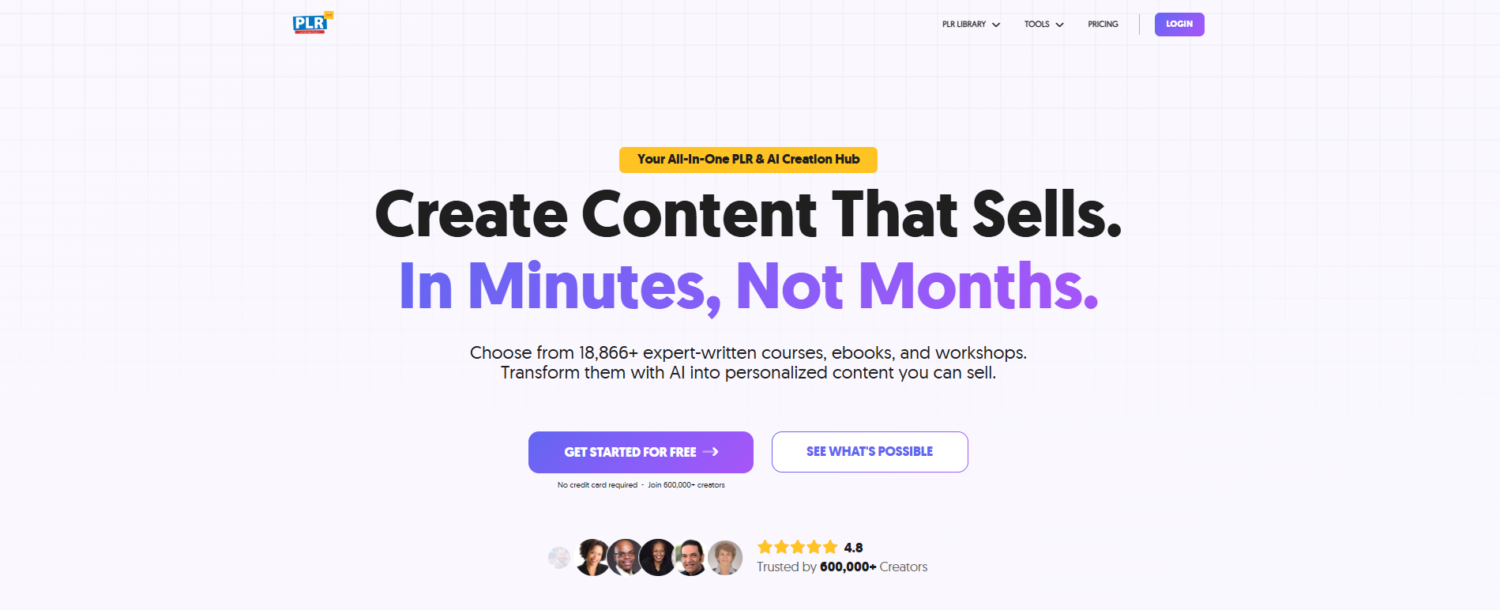
PLR.me works well when you want to build smaller branded programs using flexible lesson components rather than relying on one large fixed course.
Instead of delivering full-scale programs from the start, many materials are designed as individual learning units that can be combined into structured training. This makes it easier to build courses gradually or expand content over time.
The modular structure allows you to adapt lessons to your delivery style, whether that involves workshops, email-based learning, or membership lessons.
Typical materials may include:
- Short lesson frameworks
- Worksheets and guided exercises
- Slide decks for teaching sessions
- Structured learning activities
- Supporting handouts for students
Because the materials are modular, they work especially well when content is delivered in stages or updated regularly.
Best suited for:
- Coaches building short branded programs
- Consultants delivering guided learning sequences
- Educators running workshop-style lessons
- Membership owners adding ongoing training content
Not ideal for:
- Users who want a single complete course ready to deploy immediately
- Situations requiring a fully packaged program from the beginning
This source fits best when the goal is building structured learning systems piece by piece, rather than launching a fixed course all at once.
Want to learn more about PLR.me? Check out my full PLR.me review.
Best for complete business-focused white label programs

Content Sparks is commonly used when the goal is to deliver full business or professional development programs that feel structured from the beginning.
Many of the materials are organized as complete course systems rather than standalone lessons. This makes them easier to adapt into branded programs designed for workshops, coaching environments, or professional training.
Topics often focus on business growth, productivity, marketing, and consulting-style education. These areas naturally support structured learning environments where consistency across lessons is important.
A strong advantage of this approach is how the materials remain aligned across different formats. Instead of creating lessons separately from teaching tools, everything is typically built around a shared structure.
Typical materials may include:
- Structured course books
- Facilitator or trainer guides
- Slide presentations
- Worksheets and guided exercises
- Supporting materials designed to reinforce learning
This alignment helps maintain consistency whether the content is delivered live, recorded, or used inside a membership program.
Best suited for:
- Business coaches developing signature programs
- Consultants packaging expertise into structured training
- Trainers delivering group learning sessions
- Membership creators offering professional development content
- Service providers turning expertise into structured education
Not ideal for:
- Situations where only small content pieces are needed
- Users looking for lightweight starter materials rather than full systems
This source fits best when the goal is delivering polished, structured training programs, not simply sharing isolated lessons.
Want to learn more about Content Sparks? Check out my Content Sparks review
If you want to explore additional platforms beyond white-label-focused sources, you can check my full guide to PLR and MRR course sites.
HOW TO CUSTOMIZE WHITE LABEL COURSES PROPERLY
Buying a white label course is only the starting point. The real value comes from how well you customize it before delivering it to clients or students. Even strong course content benefits from small adjustments that make it feel aligned with your brand and audience.
A simple workflow can make the customization process much easier.
Step 1 — Adjust the Title and Core Promise
Start by reviewing the course title and positioning. Many white label courses come with strong base titles, but small wording changes can make them feel more unique to your brand. Focus on aligning the promise of the course with the specific outcome your audience wants.
Step 2 — Add Brand Visuals
Brand visuals create instant recognition. Update slide templates, workbook covers, and lesson headers using your logo, brand colors, and typography. This is one of the fastest ways to transform generic materials into something that feels proprietary.
Step 3 — Update Examples and Scenarios
Most white label courses use general examples that work for broad audiences. Replace these with real-world scenarios that match your niche or client base. Even minor example changes can make the course feel more relevant and personalized.
Step 4 — Adjust the Structure if Needed
Not every course needs to be delivered exactly as provided. Some users break large courses into shorter modules, while others combine lessons into workshop formats. Flexibility is one of the biggest advantages of structured white label courses.
Step 5 — Package With Bonuses or Worksheets
Adding extra materials — such as templates, worksheets, or bonus resources — can increase perceived value significantly. This also helps differentiate your version of the course from the original source.
When these steps are followed, white label courses become far more than reusable content. They become branded learning experiences that feel intentionally built for your audience.
COMMON MISTAKES TO AVOID
White label courses can save significant time, but mistakes during selection or customization can reduce their effectiveness. Avoiding a few common pitfalls can make the difference between a usable course and one that sits unused.
Selling Unchanged Content
One of the most common mistakes is delivering a course exactly as purchased without making any changes. Even small adjustments — such as branding updates or revised examples — can make the material feel more authentic and professional.
Ignoring Licensing Details
Licensing terms vary more than many people expect. Some platforms allow extensive editing and branding, while others restrict how materials can be distributed. Reviewing license details carefully helps avoid unexpected limitations later.
If you need a deeper understanding of how permissions differ across platforms, reviewing PLR vs RR vs MRR license types can provide useful clarity.
Choosing a Course Outside Your Niche
Even high-quality courses can fail if they do not match your audience’s interests. Always choose content that fits your brand direction and client expectations rather than chasing trending topics that feel disconnected.
Buying Based on Quantity Instead of Fit
More content does not always mean better content. Some users purchase large libraries but struggle to use them effectively. Focus on relevance and usability rather than volume.
Assuming White Label Always Means Unrestricted Rights
Not all white label products come with unlimited permissions. Some assets may have distribution limits, especially when it comes to editable files. Always confirm exactly what you can and cannot do with the materials before using them commercially.
FINAL VERDICT
White label courses make the most sense when your goal is to deliver structured training that feels professional, branded, and client-ready — not just downloadable content that sits unused. The platforms covered in this guide each support that goal, but they serve slightly different use cases depending on how you plan to build and deliver your programs.
Best complete white label course source: Content Sparks
Content Sparks stands out when the objective is launching a fully developed business course with minimal assembly. The combination of course books, slide decks, worksheets, and funnel-ready assets makes it particularly useful for coaches and consultants who want to deliver structured training programs that look polished from day one.
Best for self-help and coaching-style packs: Tools For Motivation
Tools For Motivation fits best when your focus is mindset, personal growth, or transformation-based coaching. The strong self-help niche and multimedia course packaging make it easier to build branded programs designed around evergreen coaching topics.
Best for modular branded course building: PLR.me
PLR.me works especially well when flexibility matters more than having one large packaged course. Instead of relying on fixed programs, you can build custom learning systems using structured mini-courses, worksheets, and supporting materials.
If you want a broader comparison beyond white-label-focused platforms, reviewing complete course marketplaces [master-resell-rights-courses] or structured PLR course options [plr-courses] can help you explore additional directions.
In practice, white label courses make the most sense when branding and presentation matter more than sheer product volume.
FAQ
What are white label courses?
White label courses are ready-made training programs that can be customized and delivered under your own brand. They usually include structured lessons, slides, worksheets, and other supporting materials designed to help you teach or sell training without building everything from scratch.
Can you legally resell white label courses?
Yes, in most cases you can legally resell white label courses, but only if the license specifically allows it. Always review the usage rights before purchasing, because permissions can vary between platforms. Some licenses allow full branding and resale, while others restrict certain types of distribution.
Are white label courses better than PLR?
Not necessarily better — just different. White label courses are usually more structured and presentation-ready, while standard PLR content often requires more customization before delivery. If you want deeper clarity on licensing differences, reviewing PLR vs RR vs MRR explanations [plr-vs-rr-vs-mrr] can help you understand when each option makes the most sense.
Can you edit white label online courses?
Most white label online courses are designed to be editable. This usually includes changing titles, updating visuals, modifying examples, and adjusting lesson structure. Editable formats such as DOCX, PPTX, or Canva files make this process easier and allow you to align the material with your brand.
What is the best place to buy white label courses to resell?
The best place depends on your goals. Content Sparks is often preferred for complete business training systems, Tools For Motivation works well for self-help and coaching programs, and PLR.me is useful for building modular course content. If you want to compare more sources, reviewing broader white label digital product platforms [white-label-digital-products] can provide additional options.